NexAIX-官方博客
How to Choose an Open-Source LLM API: Pitfalls to Avoid from Self-Hosted Clusters to Low-Cost Resale and Production-Grade Hybrid Calls
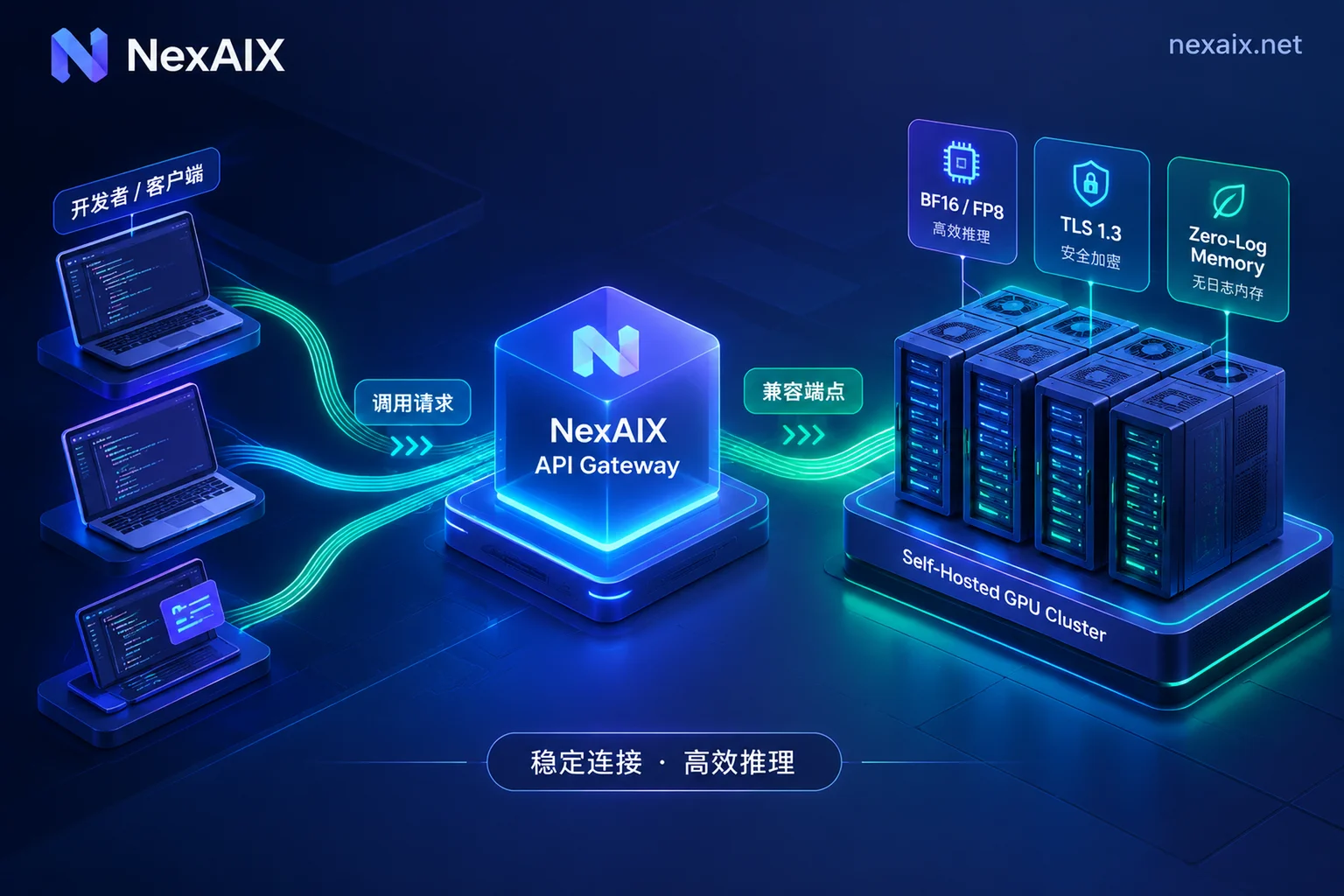
As trillion-parameter open-weight MoE models catch up with frontier closed-source models in coding and agent scenarios, more teams are shifting daily traffic to open-source LLM APIs. This article breaks down the hidden barriers of self-hosted GPU inference, analyzes the risks of second-hand quota resale and hidden downgrades, and provides a production-grade selection checklist based on proprietary compute deployment, zero logging, and single-endpoint hybrid calls.
Open-Weight Model APIs vs. Official Licensed Channels: Precision, Context, Retention, and Rate Limits
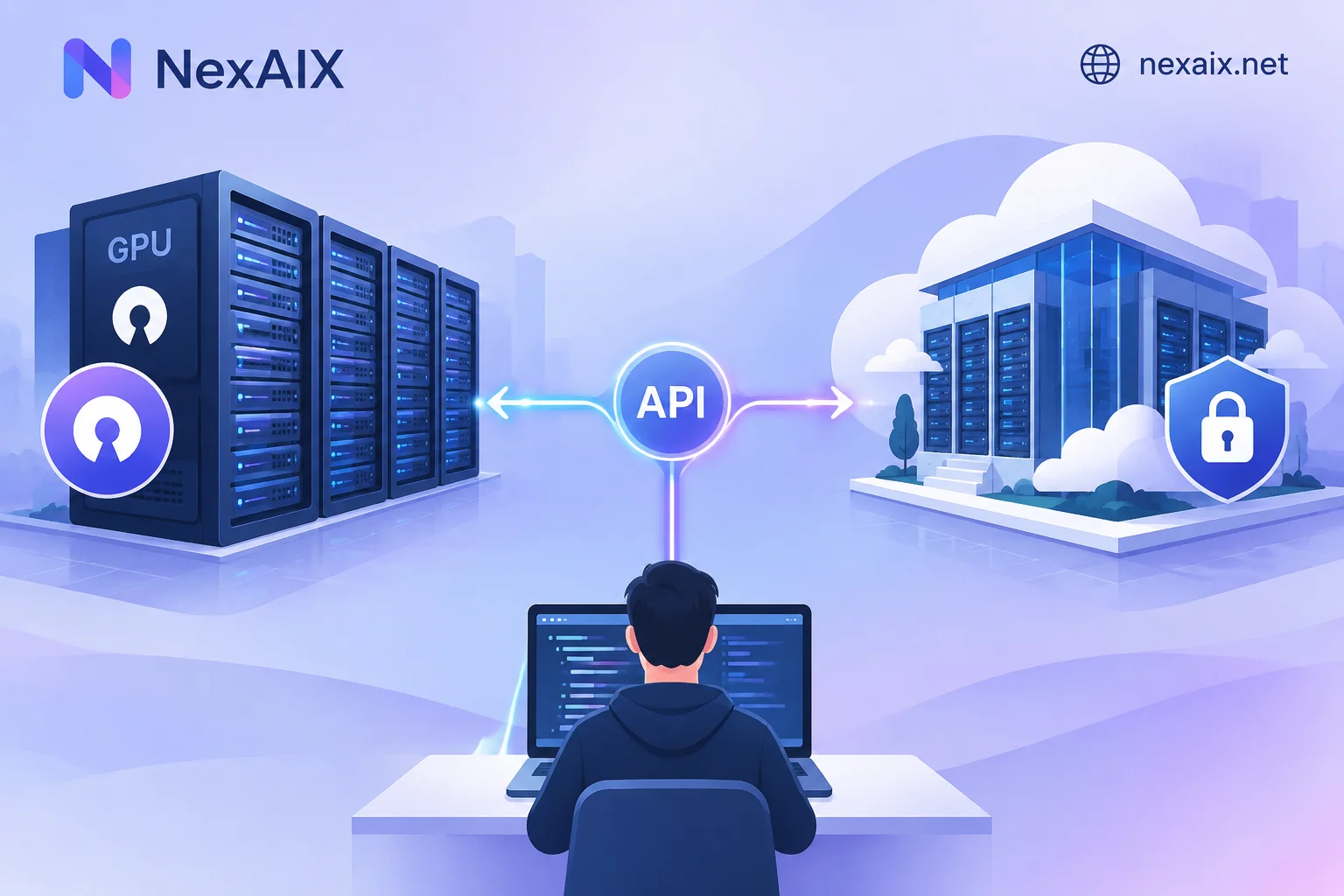
Both API types can share the same interface format, but the real difference is who runs inference: with open-weight models the deployment provider decides precision, context, and logging, while closed-source models can only be inferred by the original vendor, so you must verify whether a channel truly routes requests to the official service and check vendor terms for retention and rate limits.
Model Inference Precision: BF16 vs FP8 – VRAM, Speed, Quality, and Selection
BF16 and FP8 differ mainly in bits per number; FP8 halves memory for weights and KV cache and boosts throughput on native FP8 GPUs, while BF16 is more stable for code, math, and alignment.
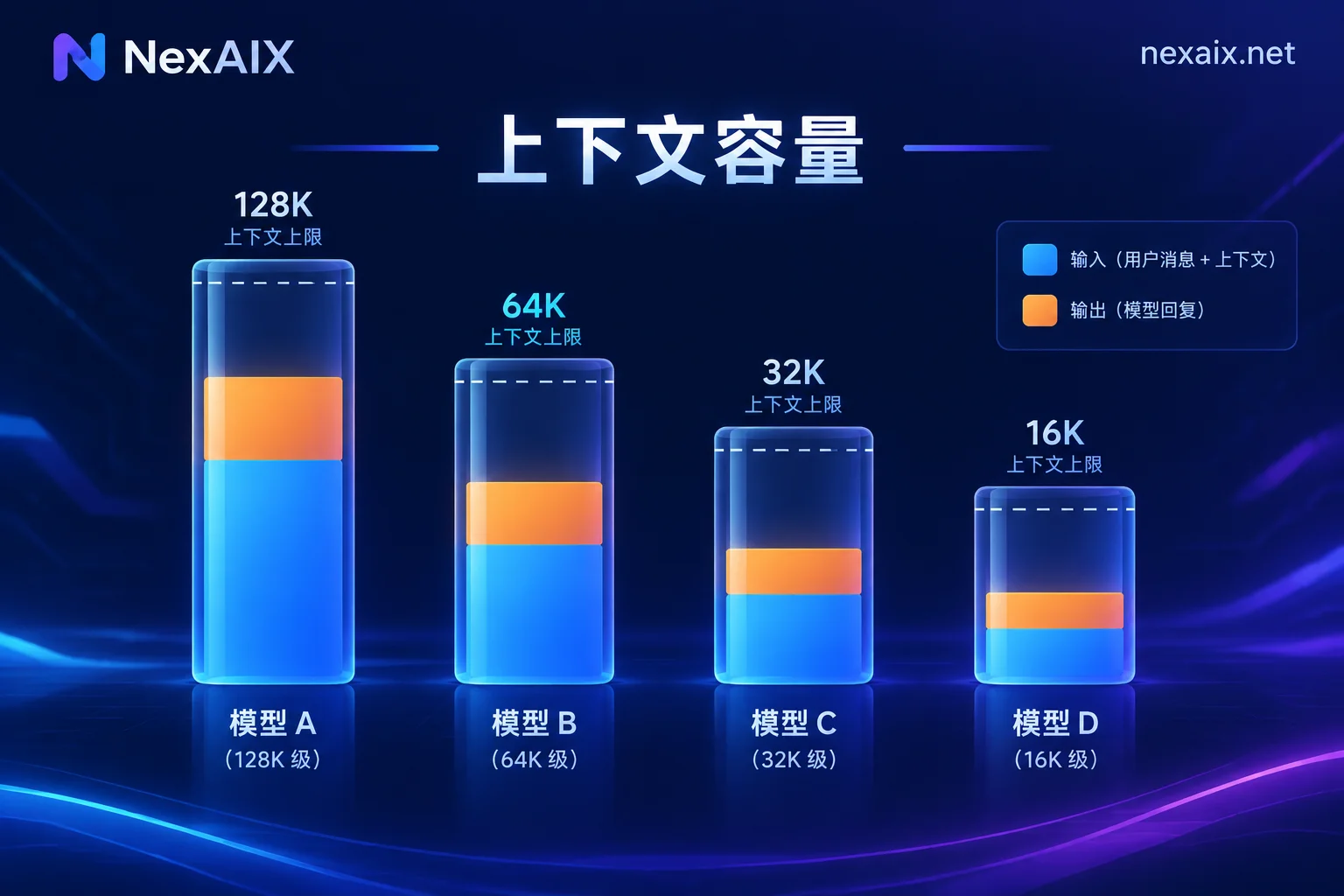
Model Context Window Comparison: How to Calculate Window and Output Limits, and Avoid Truncation, Latency, and Rate Limiting
Compare the context windows and single-output limits of representative versions like GPT-4o, Claude 3.5 Sonnet, DeepSeek-V3, and Gemini 1.5. This article explains how to calculate token budgets using "input + reserved output ≤ window" and choose the right window tier for your task. When output is truncated, use finish_reason and usage to pinpoint the cause. It also covers how to handle latency, attention decay, and TPM rate limiting caused by long contexts.
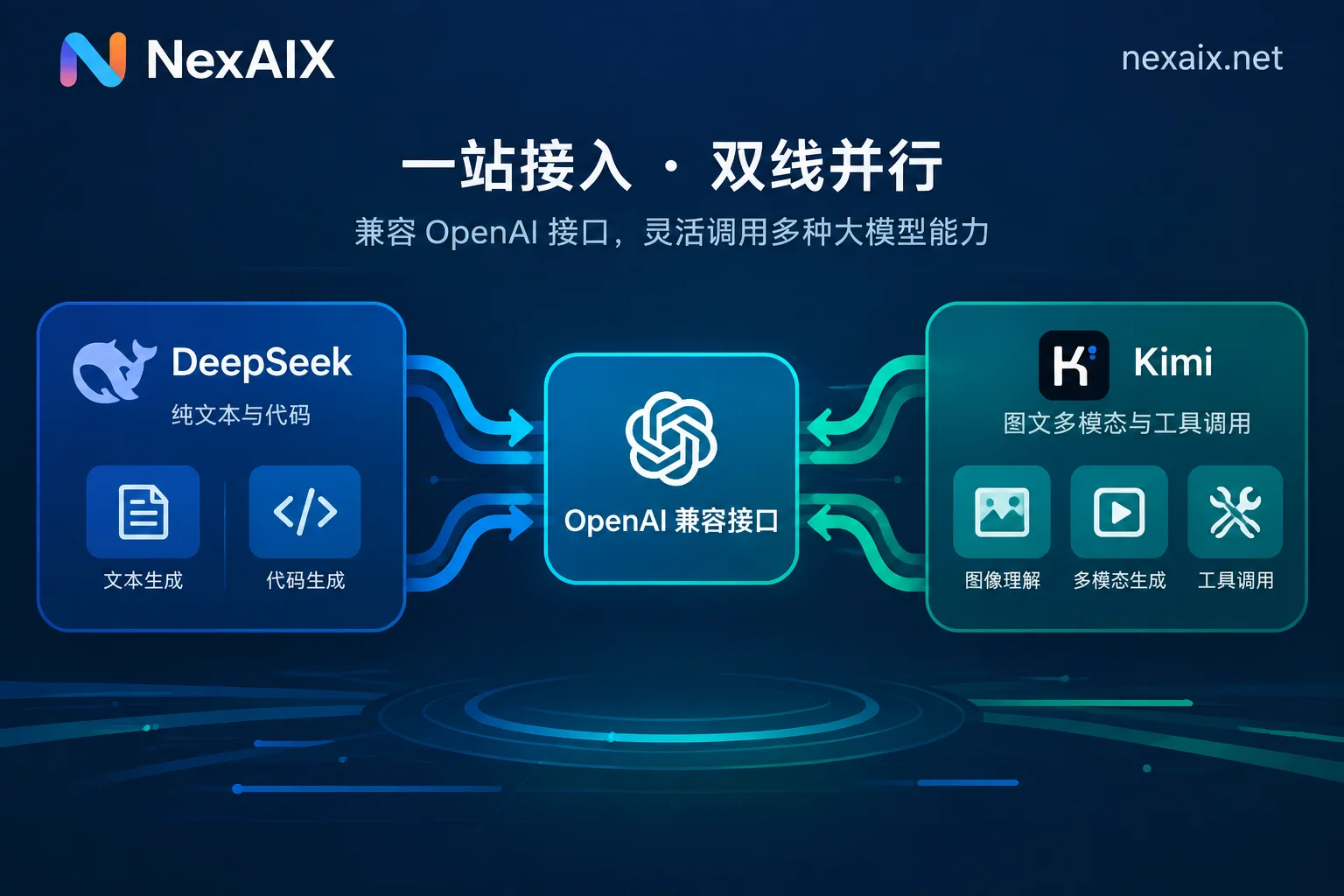
DeepSeek vs Kimi API: Context, Multimodal, Reasoning Content Return, and Migration Configuration
This article compares the DeepSeek and Kimi (Moonshot) APIs in terms of model lineup, context length, multimodal support, thinking mode parameters, and multi-turn reasoning_content return. It first gives selection advice by task, then explains what needs to be handled separately when switching between the two with the same OpenAI-compatible code, and what to verify before going live.