NexAIX-官方博客
How to Change Custom base_url in LangChain: Python, JS, Environment Variable Priority, and 404 Troubleshooting
Clear up where to put base_url when connecting LangChain to OpenAI-compatible endpoints: Python's ChatOpenAI, OpenAIEmbeddings, init_chat_model, and JS/TS configuration.baseURL; also covers priority of three config sources, why /v1 path errors, why streaming token stats become empty, and why third-party-specific fields aren't read.
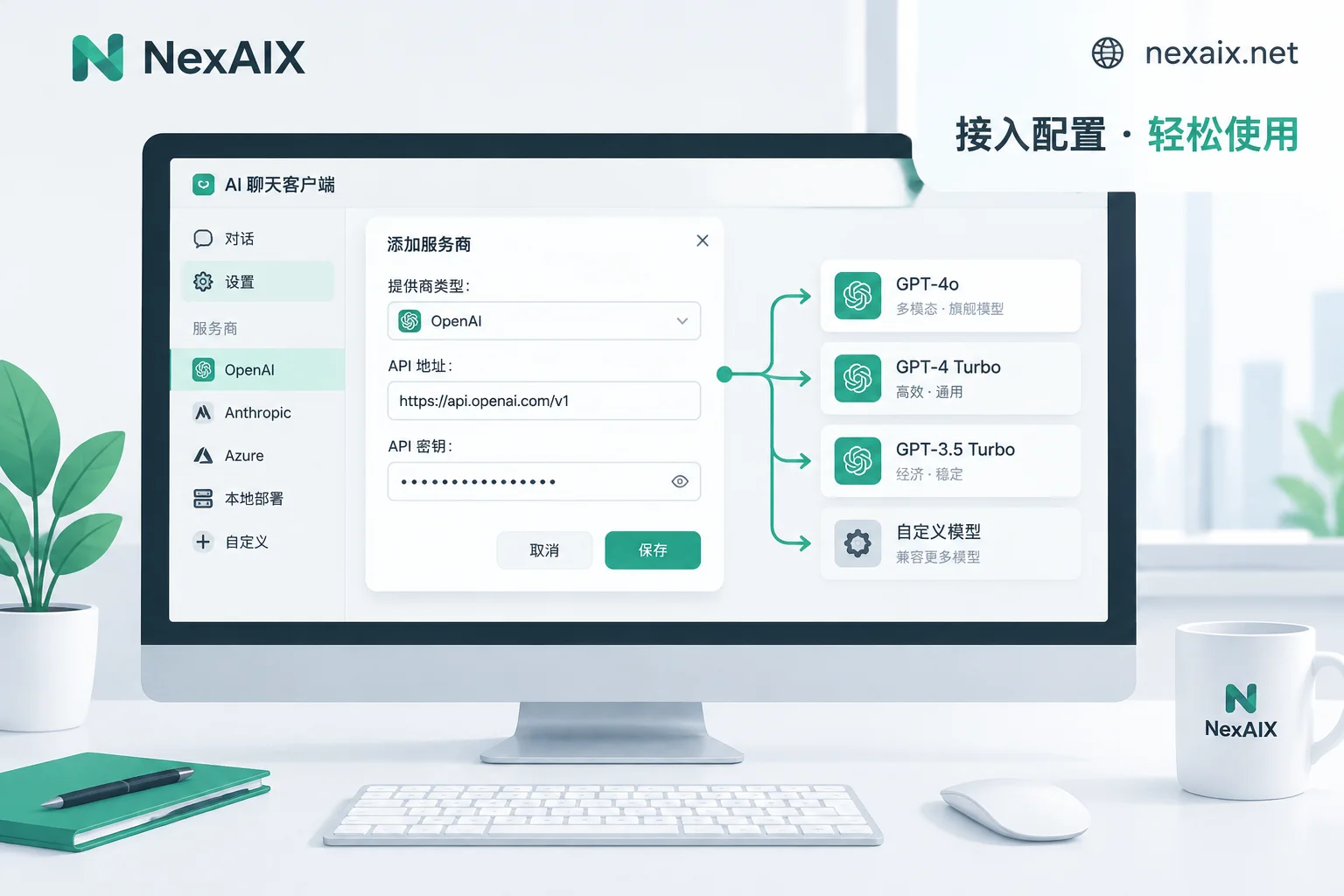
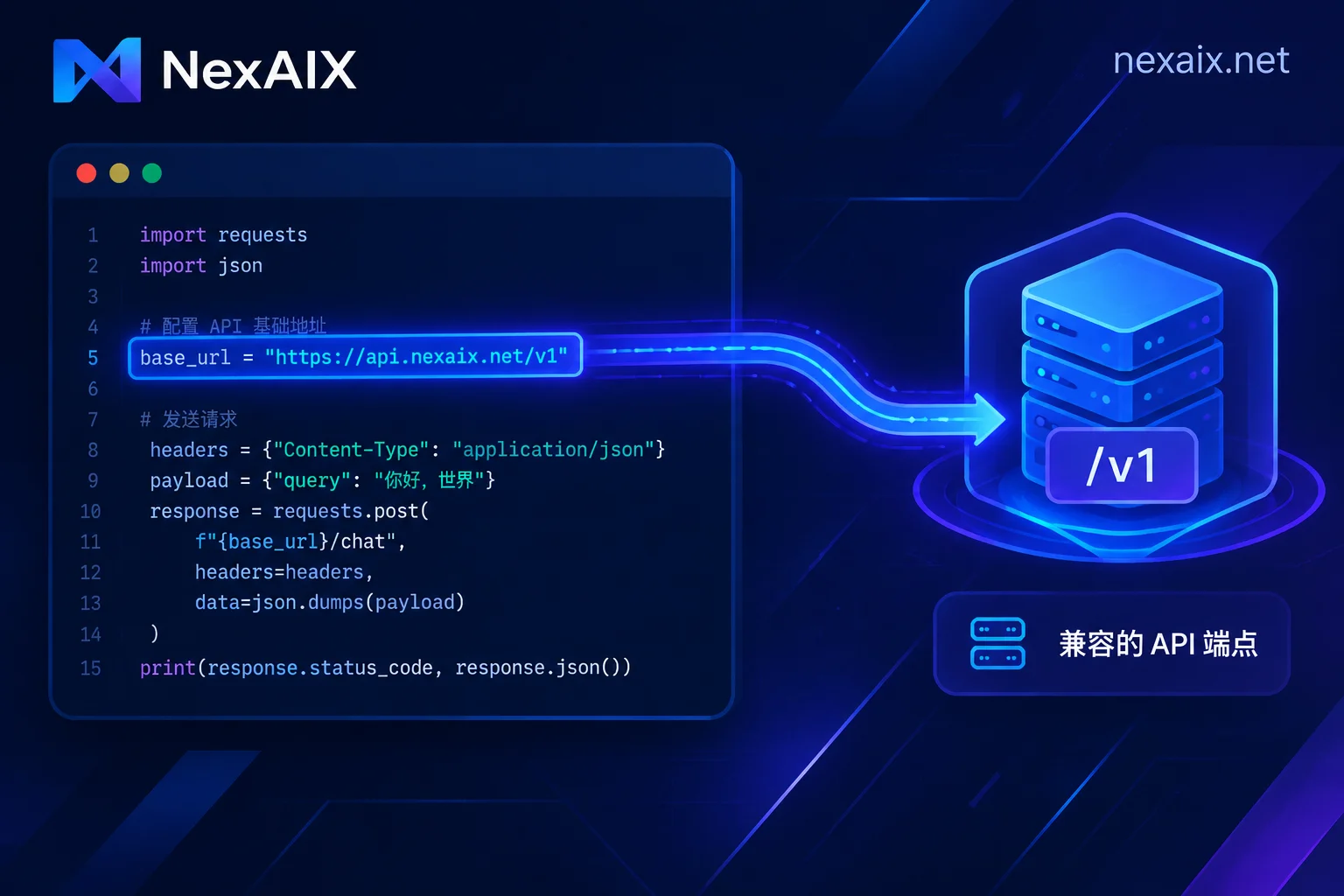
How to Add a Custom LLM in Cherry Studio: Provider, API URL, Model ID, and Troubleshooting
A complete guide to connecting any OpenAI-compatible API as a custom provider in Cherry Studio, covering whether the API URL should include /v1, how to manually add models when the list fails to load, which capability tags to select, and how to troubleshoot message failures, 401, and 404 errors after setup.
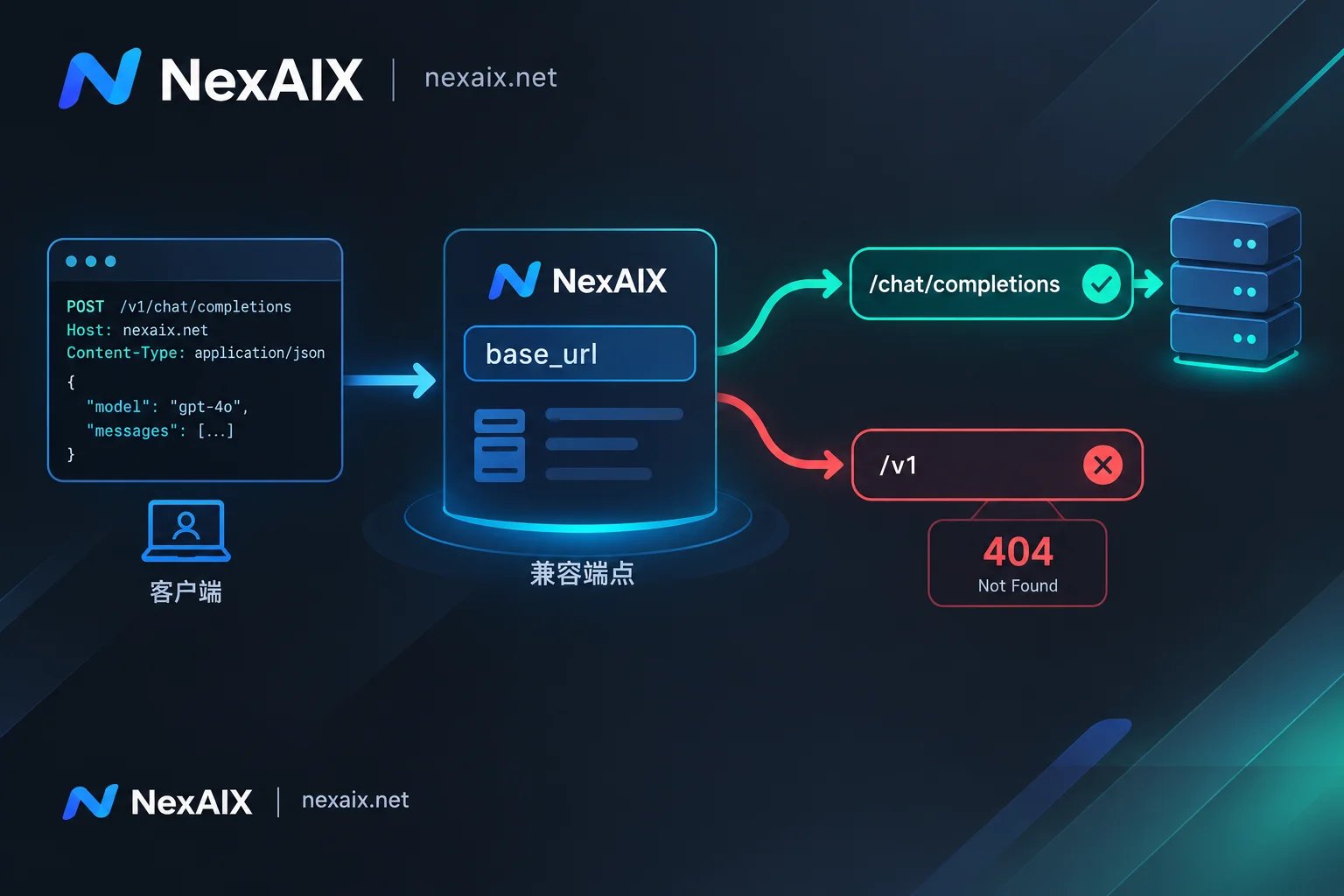
How to Use an OpenAI-Compatible API: Change One Line of base_url to Connect Your Existing App to a New Endpoint
An OpenAI-compatible API means the server implements the same REST paths per OpenAI's spec, so existing code rarely needs rewriting—just swap base_url and api_key. This guide covers Python, Node.js, raw HTTP, and LangChain configurations, explains whether base_url should include /v1, and walks through troubleshooting 404, 401, and streaming parsing errors, plus key production migration checks.
AI API Integration Tutorial: Base URL, Streaming, Timeout, and Rate Limiting for Python, Node.js, LangChain, and Native HTTP
Integrate any OpenAI-compatible AI API by changing just the base URL, API Key, and model name; this guide covers configuration for Python, Node.js, LangChain, and native HTTP, including correct /v1 path usage, streaming, timeouts, and 429 retries.
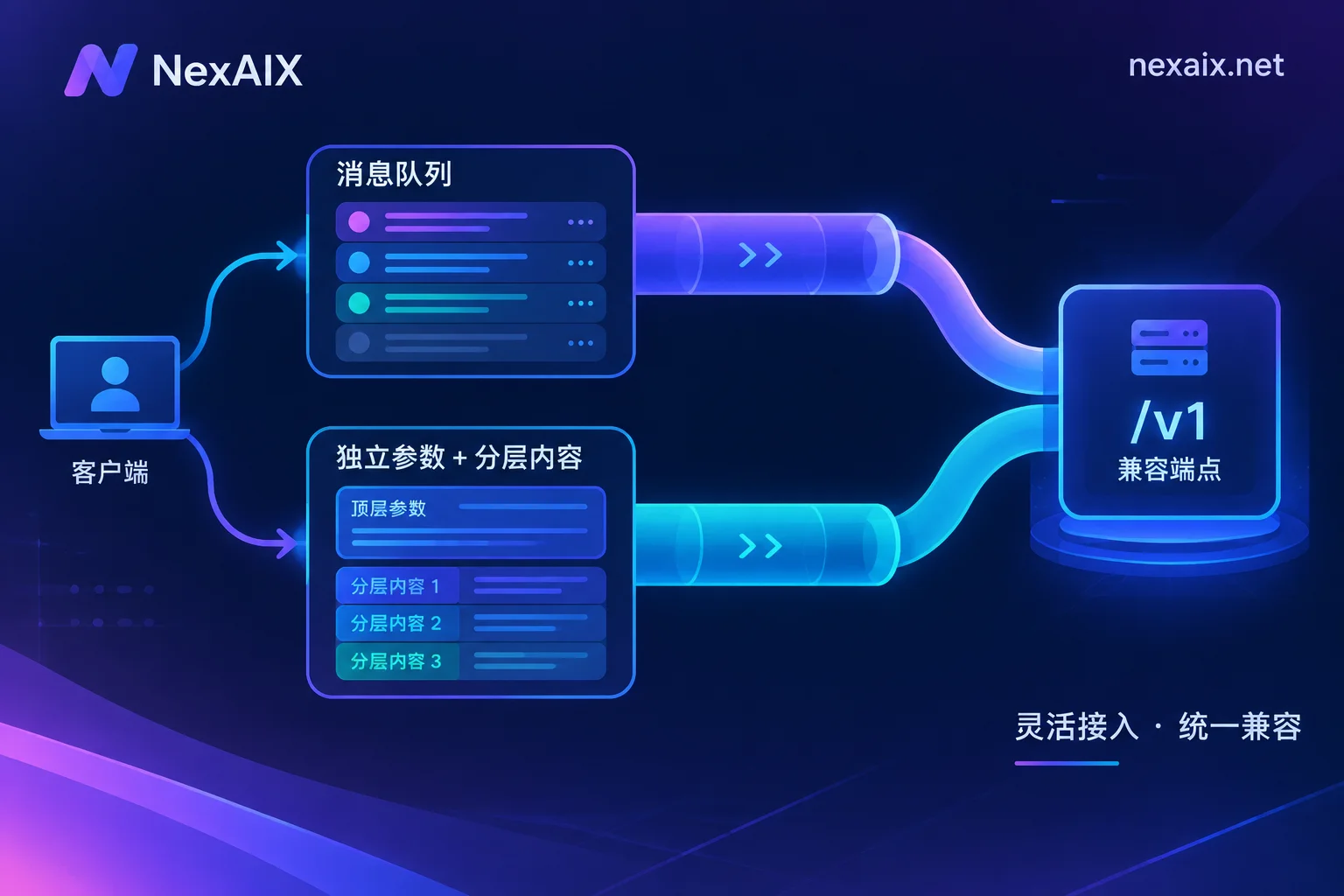
Claude vs GPT API Comparison: Protocol Differences, Caching Mechanisms, and Migration Costs
From four practical differences—message structure, tool call returns, streaming events, and Prompt Caching—this article explains the engineering divide between Claude Messages API and OpenAI Chat Completions, which tasks suit each, and how to decide between an adapter layer or a unified compatible endpoint when migrating, plus pre-production validation steps.