NexAIX-官方博客
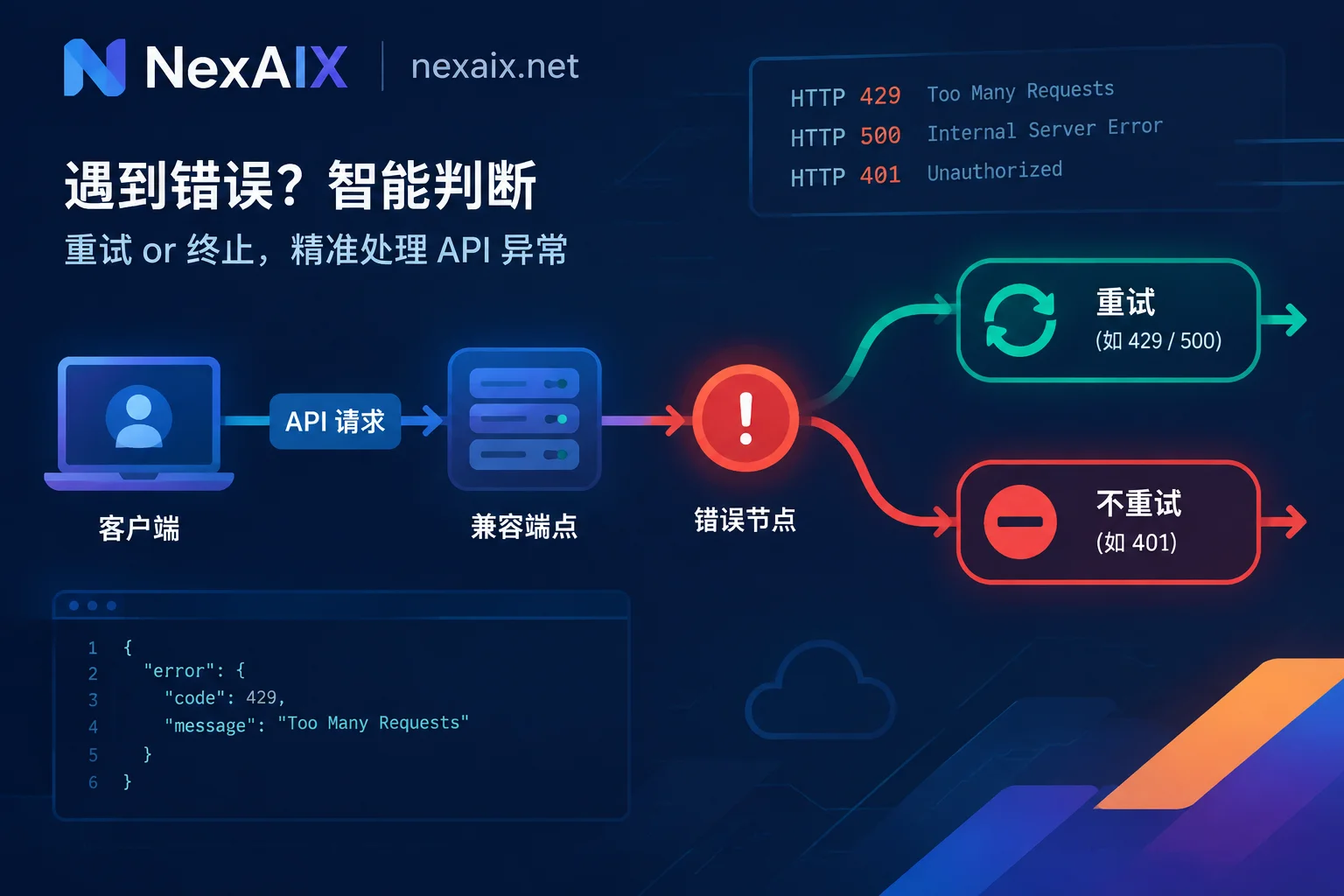
How to Design AI API Retries: What to Retry, How Long to Back Off, and What to Do When a Stream Breaks
Split LLM call errors into retryable transient failures and deterministic failures that retrying won't fix, with parameter choices for Retry-After priority and jittered exponential backoff, plus handling for three common traps: stream interruptions, nested SDK retries, and tool-call side effects.
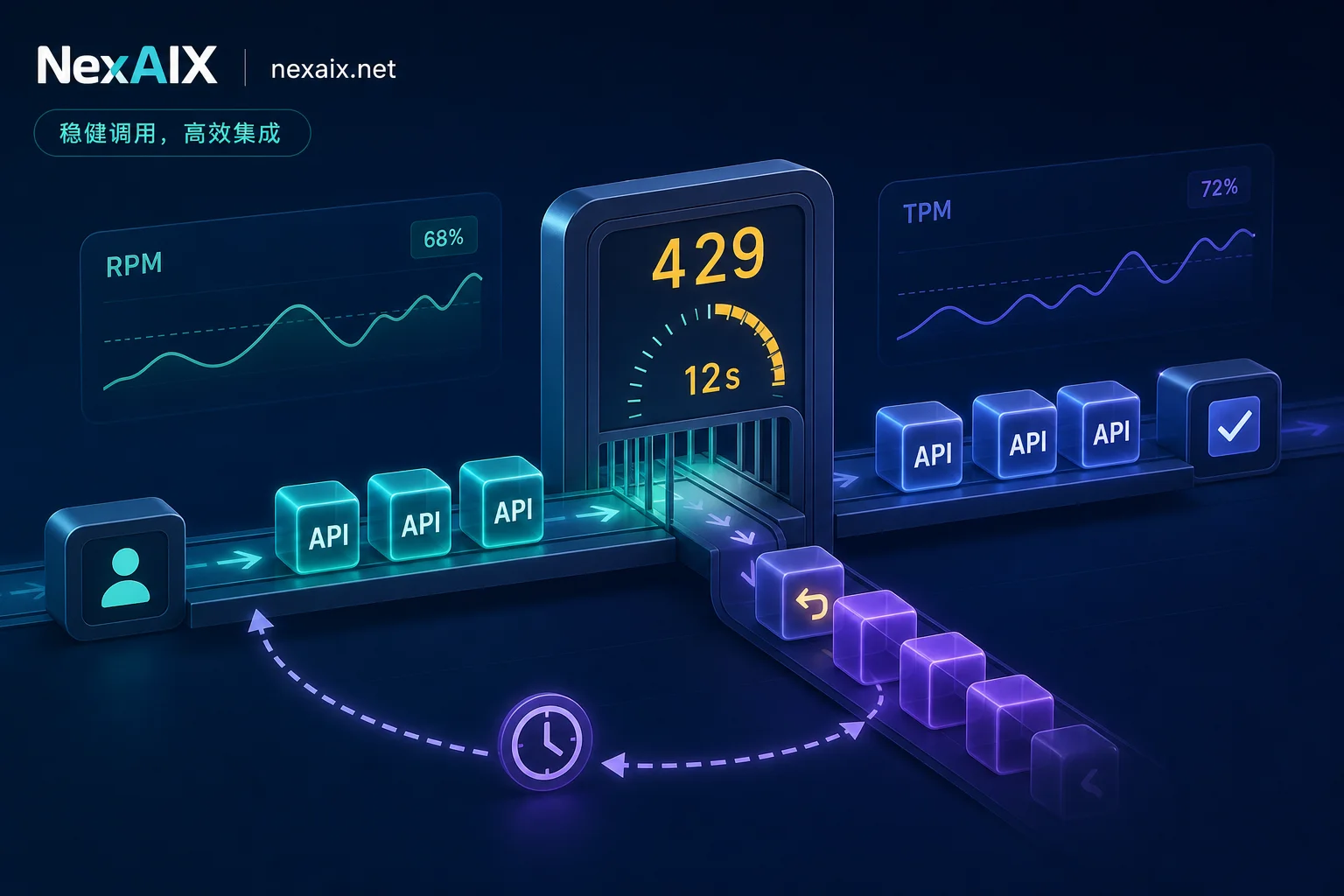
How to Handle AI API Rate Limiting: From 429 Headers to Backoff Retries and Traffic Isolation
When a large model API returns 429, check the response headers and error code before deciding on a retry strategy: honor Retry-After when present, and stop immediately if quota is exhausted. This article covers four dimensions of rate limiting, how to use six remaining-quota headers, an exponential backoff skeleton with jitter, and architectural mitigations like token buckets, tighter max_tokens, and per-key isolation.
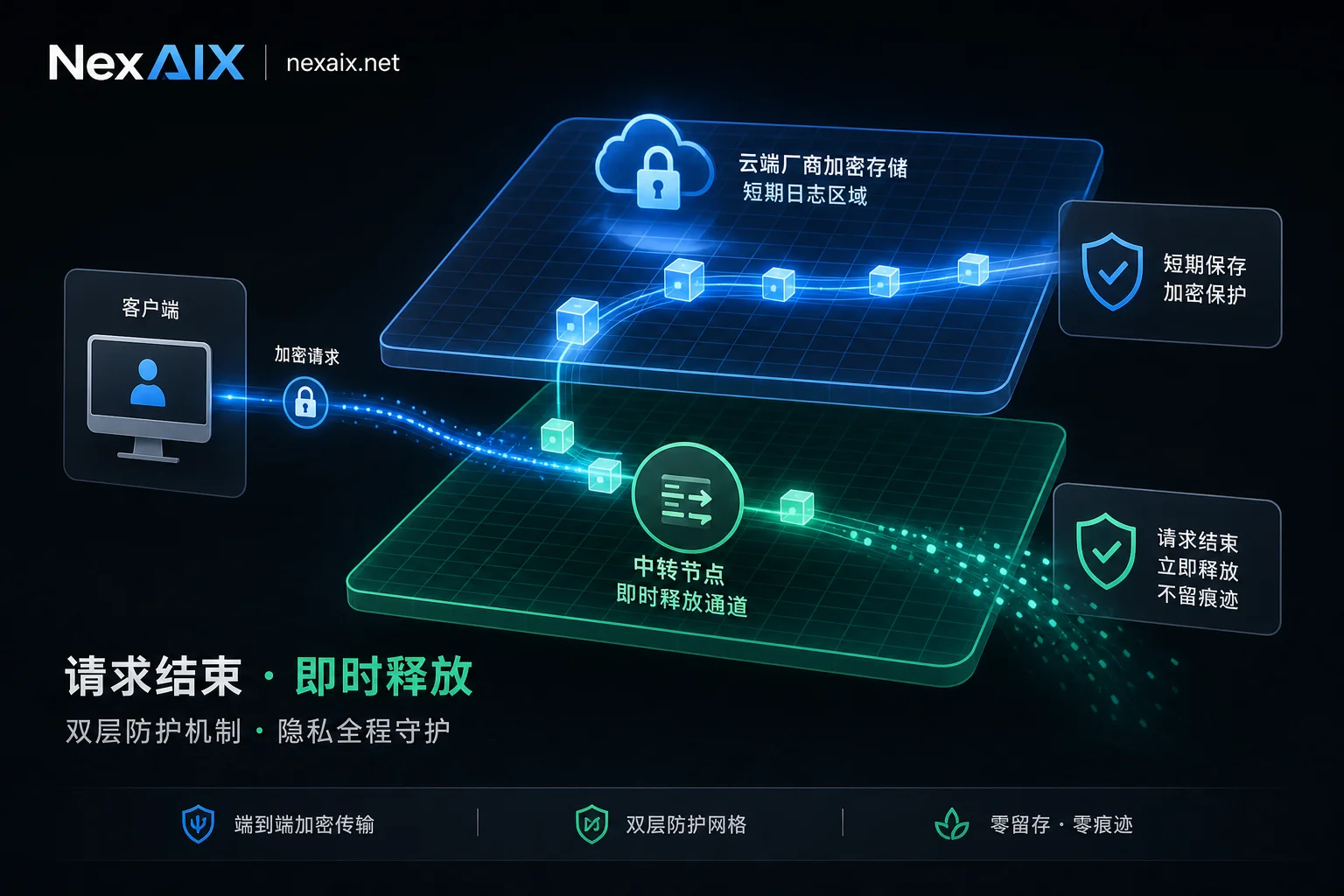
Two Layers of AI API Privacy Risk: Vendor Log Retention and Relay Log Persistence
When integrating AI APIs, privacy risks concentrate on upstream vendors' abuse monitoring logs (typically 7-30 days) and whether relay layers record plaintext conversations. Mainstream commercial APIs don't use customer data for training by default but retain short-term logs for security audits; enterprises can apply for zero data retention. The key difference in relay services is whether data is released immediately after requests and whether API keys are strictly isolated per account.
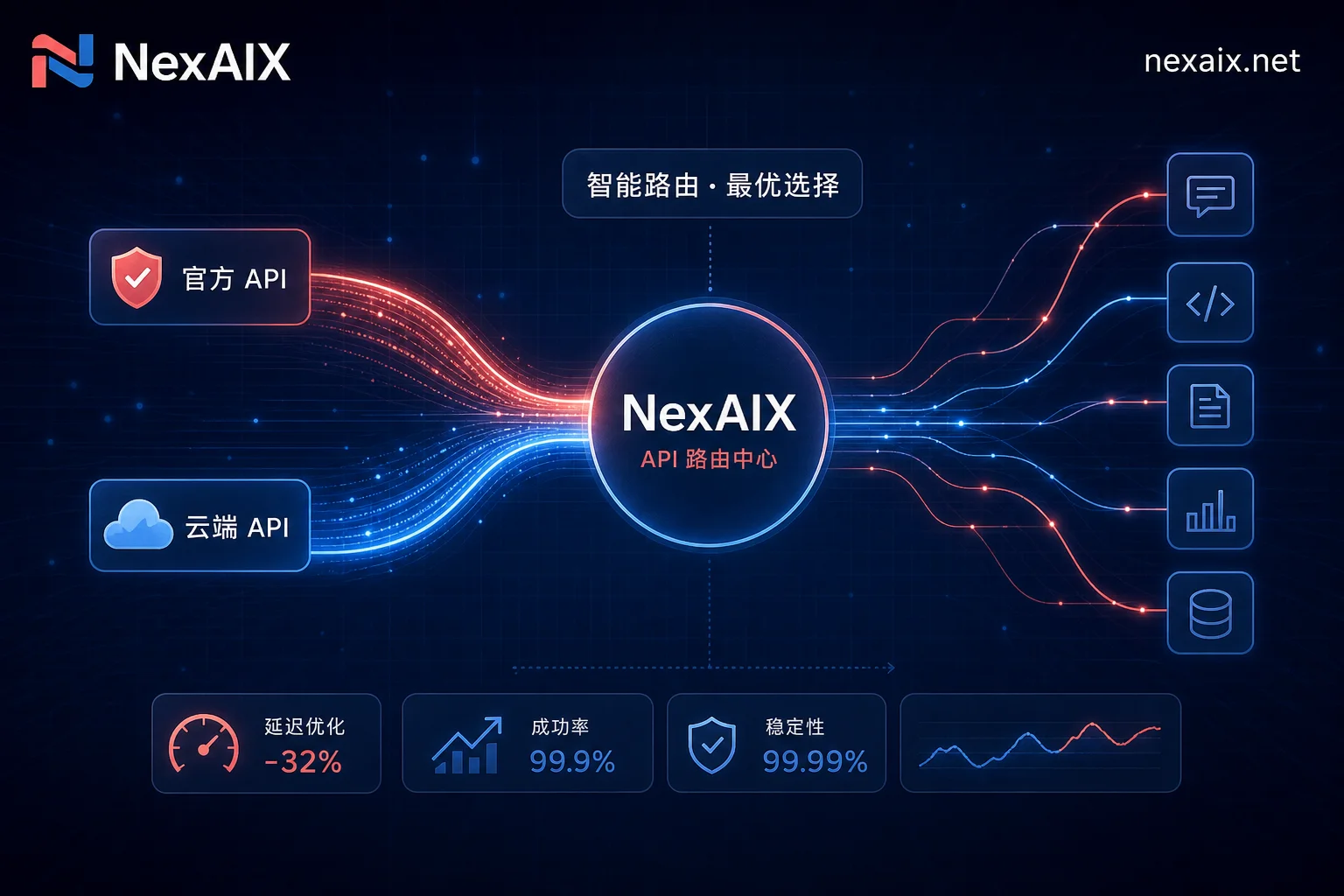
API Relay Comparison: Direct Official API or Relay?
A practical guide with a weighted pricing formula and routing decision tree for comparing direct official API vs. relay services, based on DeepSeek peak/off-peak pricing, Together AI version deprecation, and OpenRouter guardrails.
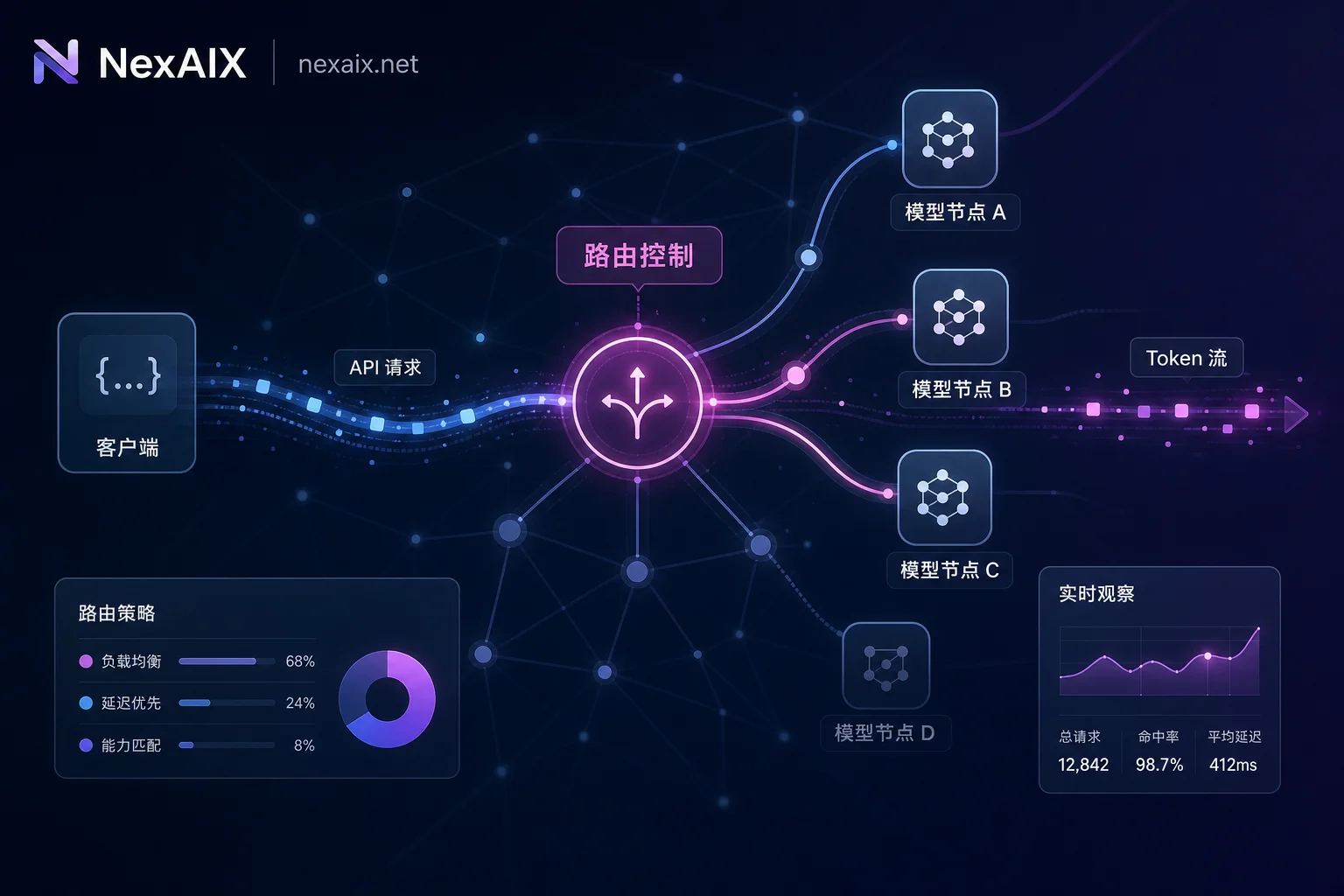
Locking Models and Disabling Automatic Routing on AI API Aggregators: Request Configuration and Verification
A practical guide to explicitly locking models, binding upstream providers, and disabling fallback on AI API aggregators, with a triple cross-check method to ensure output consistency and avoid silent degradation.