NexAIX-官方博客

High Availability and Security Guide for LLM APIs in Production: Coping with Single Points of Failure, Key Leaks, and Compute Throttling
Combining recent industry hot topics such as LLM service outages, API key leaks from third-party tools, and tightening compute for leading models, this article provides an in-depth analysis of practical solutions for production-grade LLM API calls in disaster recovery architecture, per-key isolation, and selection of self-owned compute and officially authorized channels.
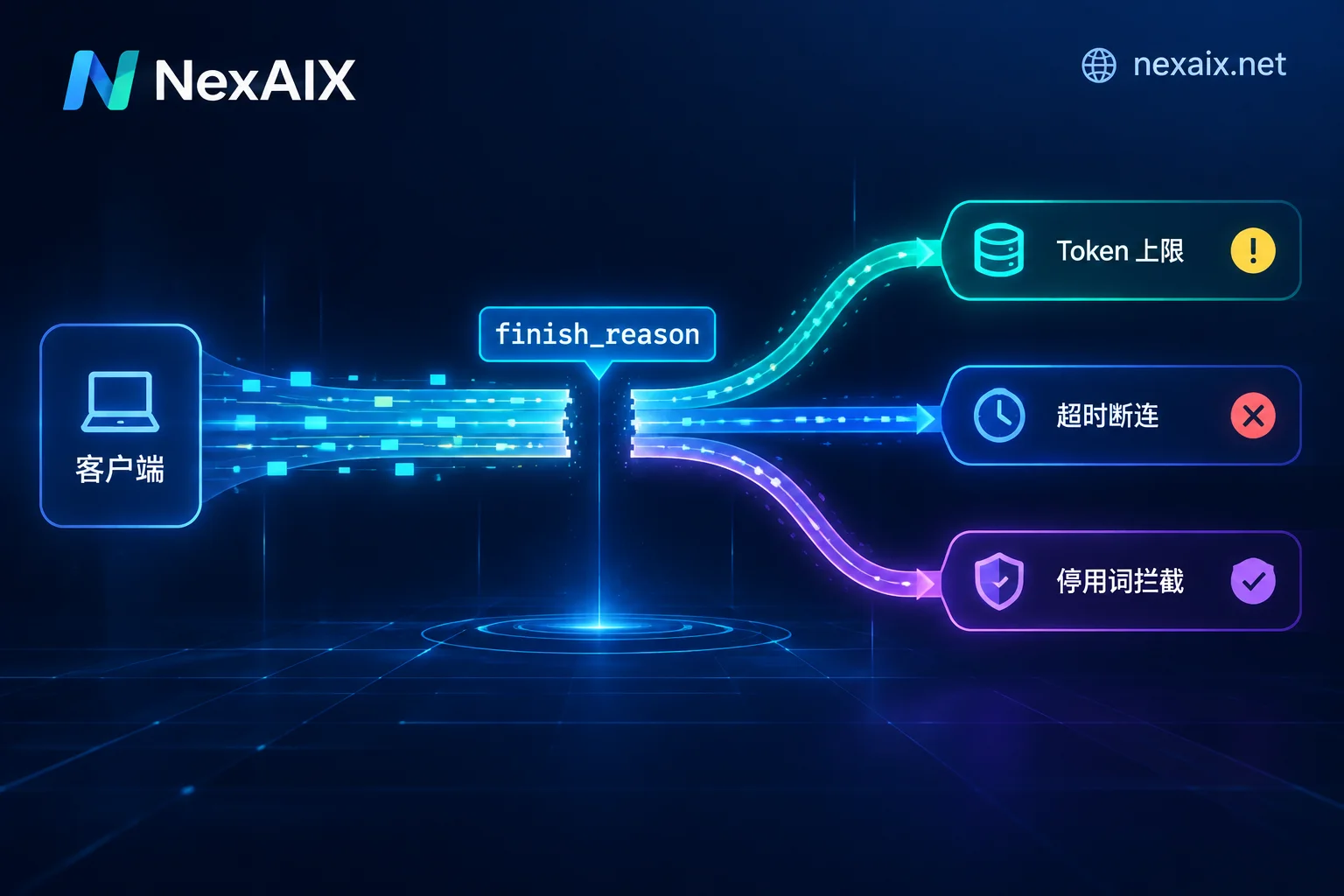
What to Do When LLM API Output Is Truncated: Check finish_reason First, Then Fix by Cause
Truncated LLM API output—half-finished sentences, unclosed JSON, interrupted streams—usually has only four causes: hitting the token limit, reasoning models consuming output budget with chain-of-thought, tasks exceeding the model's single-call max output, and client or proxy timeouts.
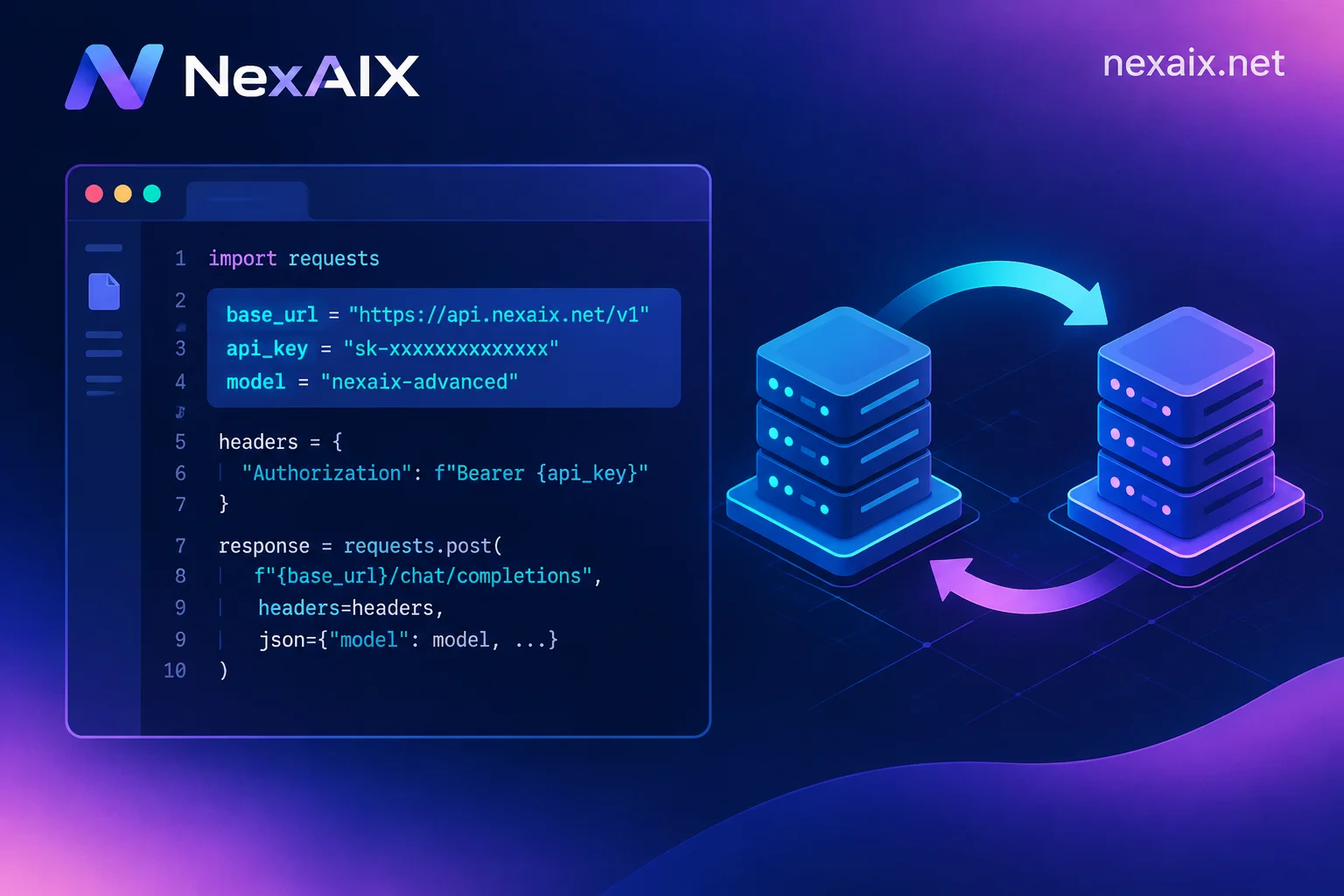
What Code to Change When Switching LLM APIs: Three Must-Change Configs and Four Compatibility Checks
When staying on the OpenAI-compatible protocol, switching models usually requires changing only base_url, api_key, and model—but if your code uses length parameters, sampling parameters, streaming usage, tool calling, or structured outputs, verify each against the target model.
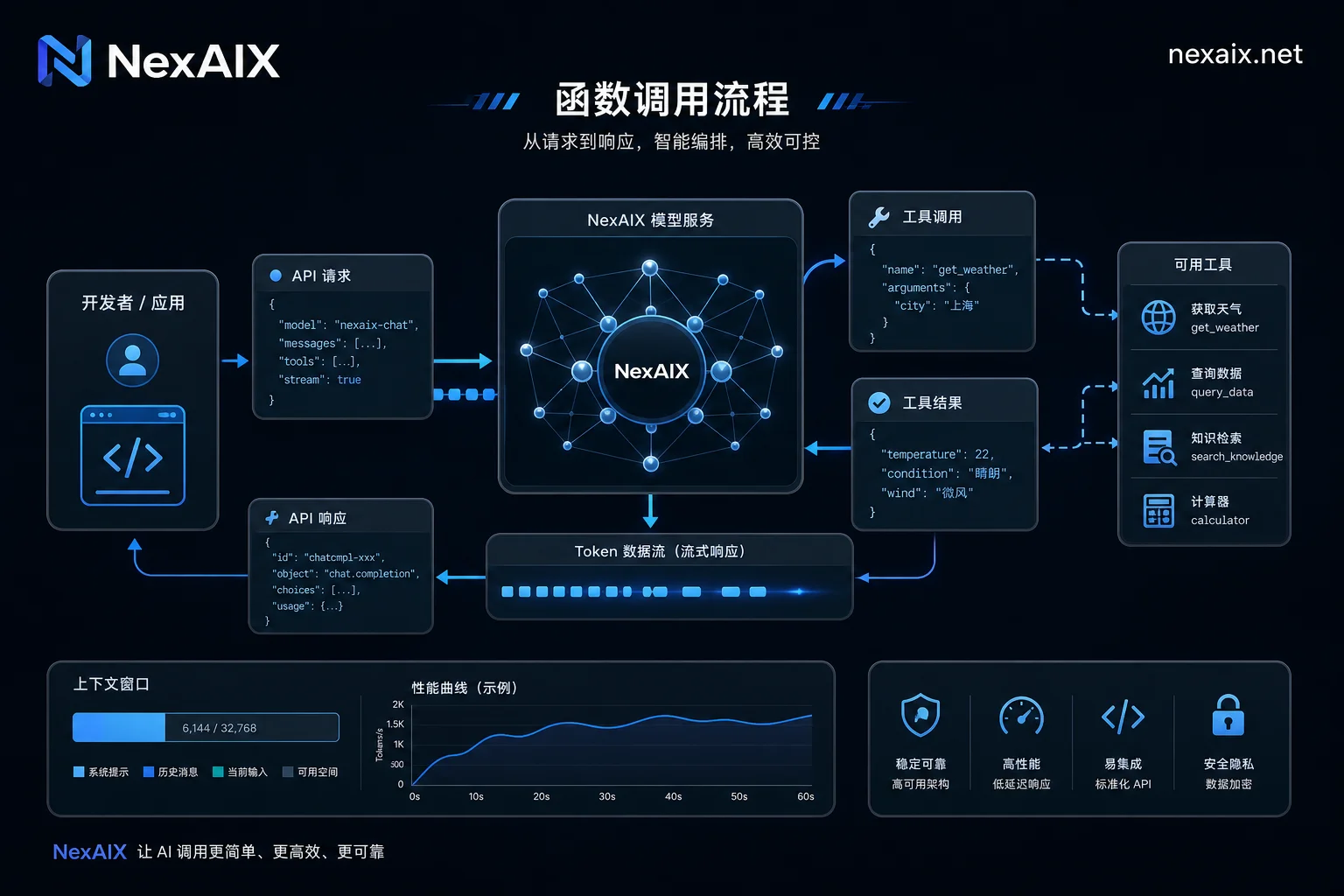
How to Write a Tool Calling API? Four-Layer Cross-Model Differences and the Loop Skeleton
This article provides a portable tool calling loop skeleton, breaking down four layers of differences across models: function declarations, trigger control, return structure, and multi-step termination, along with adapter design, verification methods, and a regression checklist.
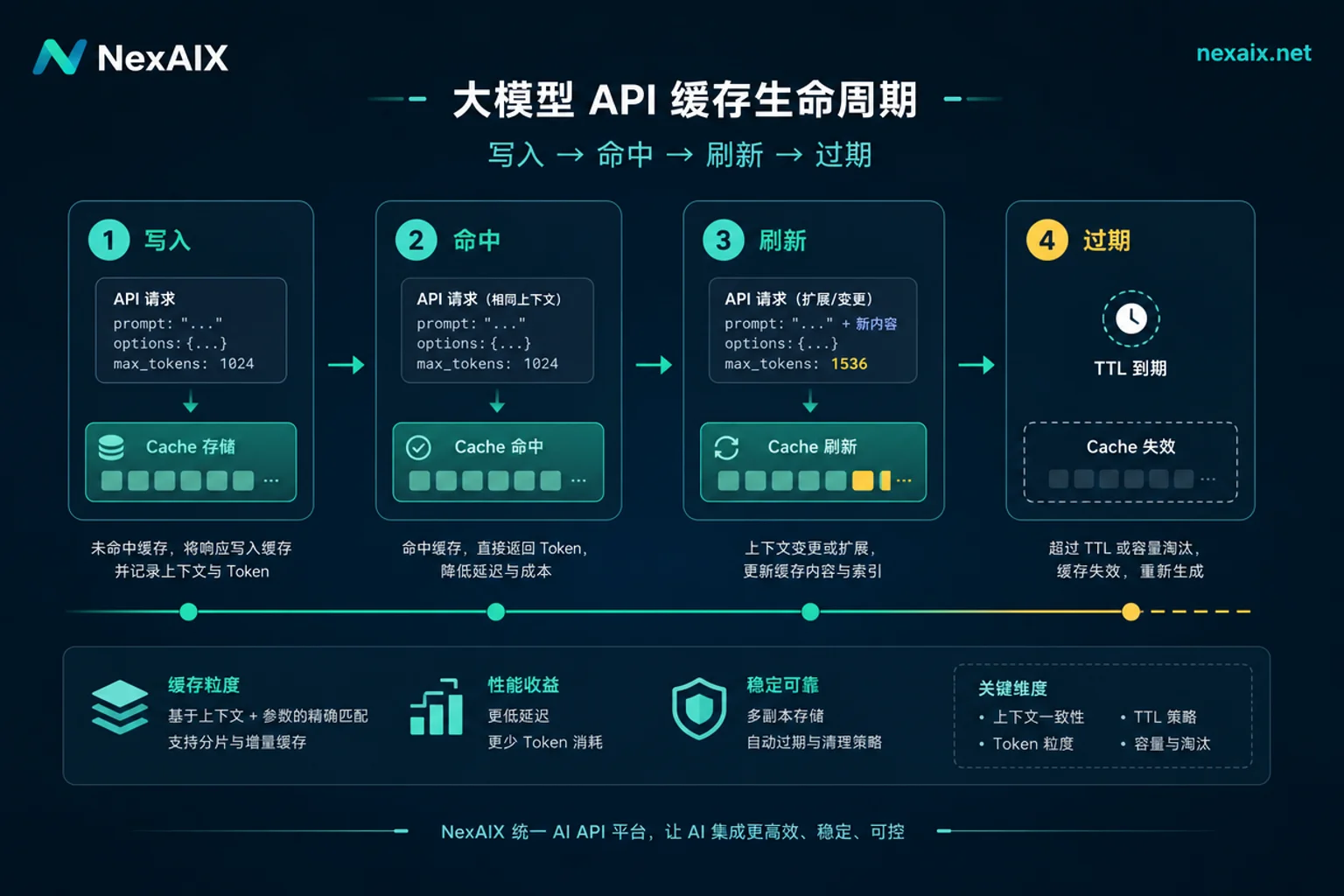
How Long Does LLM API Caching Last? Choosing Between 5 Minutes and 1 Hour
Learn how to choose between 5-minute and 1-hour cache TTL for LLM APIs based on request interval distribution, and understand the trade-offs in hit rate, cost savings, and prefix stability.