NexAIX-官方博客
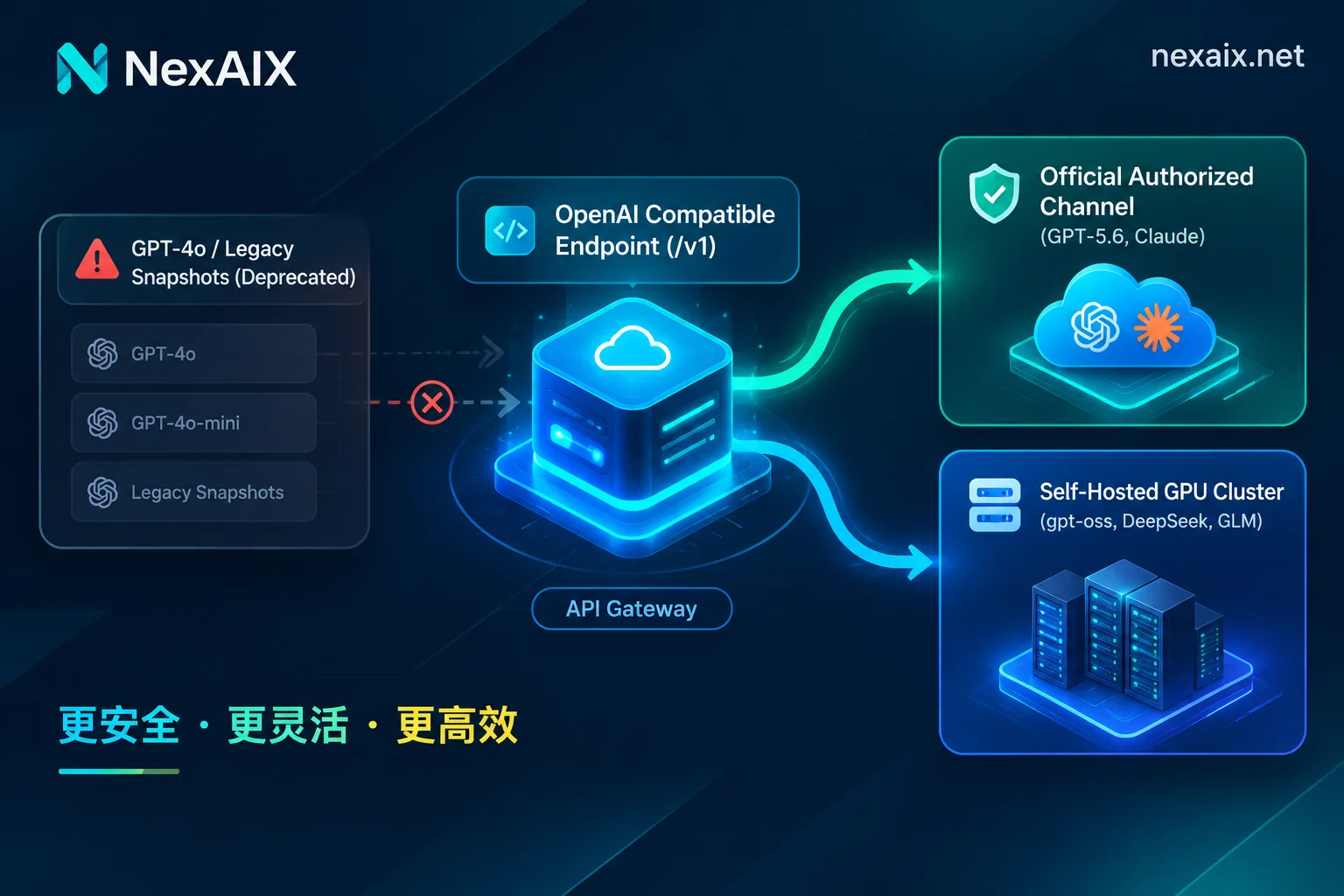
How to Handle the GPT API Model Sunset Wave: Migration from Legacy Versions, Compliance Pitfalls, and Hybrid Calling of GPT-5.6 and gpt-oss
Against the backdrop of OpenAI密集下线 GPT-4o, GPT-4.1, and early GPT-5 snapshots in the second half of 2026, this article outlines the core pain points of migrating GPT API in production environments, explains how to avoid the risks of account pool relay services, and describes how to smoothly switch to GPT-5.6 official authorized channels and gpt-oss self-hosted open-source models via NexAIX's unified OpenAI-compatible endpoint.
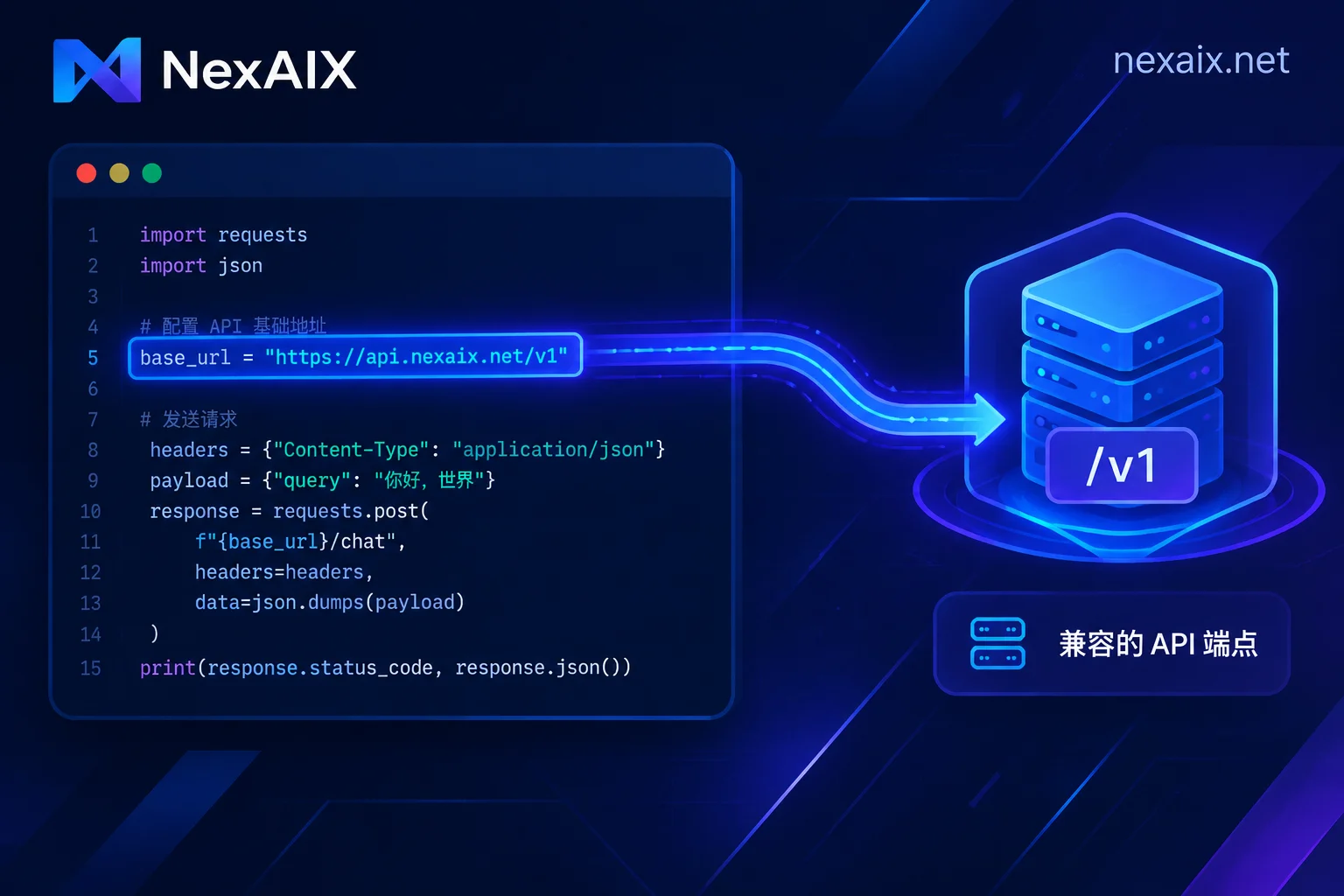
How to Change Custom base_url in LangChain: Python, JS, Environment Variable Priority, and 404 Troubleshooting
Clear up where to put base_url when connecting LangChain to OpenAI-compatible endpoints: Python's ChatOpenAI, OpenAIEmbeddings, init_chat_model, and JS/TS configuration.baseURL; also covers priority of three config sources, why /v1 path errors, why streaming token stats become empty, and why third-party-specific fields aren't read.
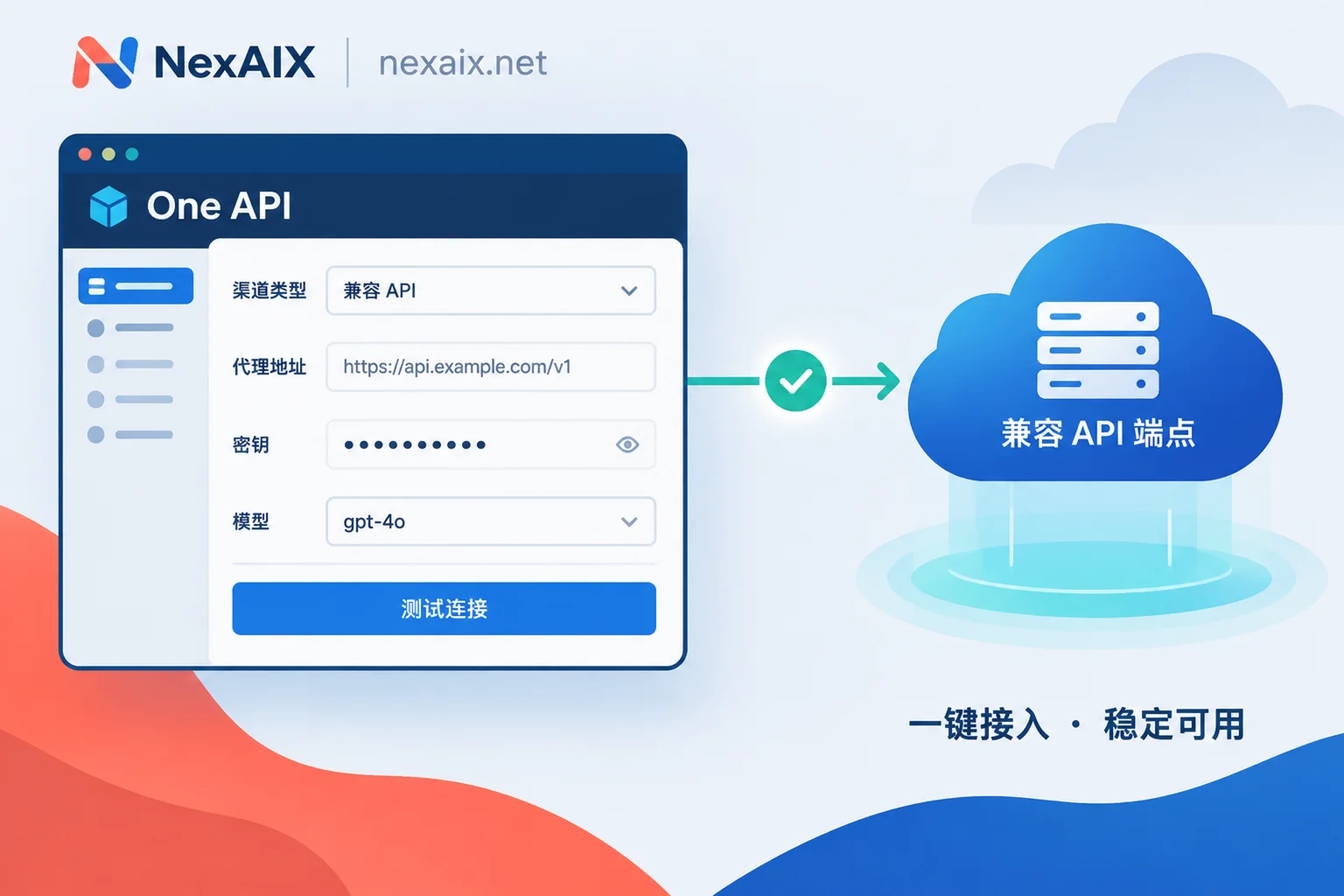
How to Add an OpenAI-Compatible Channel in One API: Proxy URL, Key, Model Name, and Test Error Troubleshooting
Add a third-party or self-hosted OpenAI-compatible channel in One API: select "OpenAI" as channel type, fill in the compatible endpoint as proxy, enter the upstream key, and manually add the exact upstream model names. Verify with the "Test" button. The article explains each form field in order and covers troubleshooting for 404, 401, and Connection refused, plus when to enable model mapping.
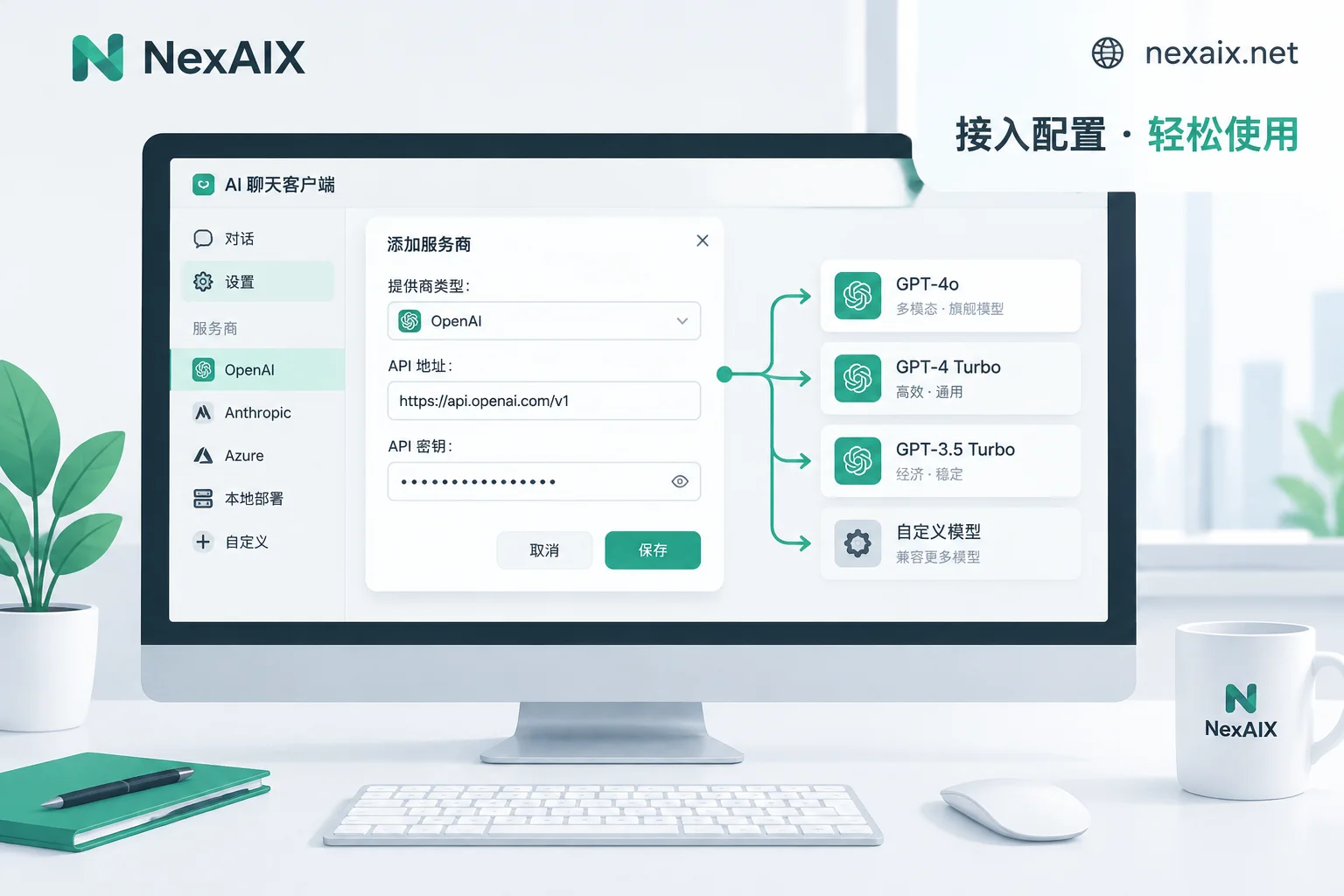
How to Add a Custom LLM in Cherry Studio: Provider, API URL, Model ID, and Troubleshooting
A complete guide to connecting any OpenAI-compatible API as a custom provider in Cherry Studio, covering whether the API URL should include /v1, how to manually add models when the list fails to load, which capability tags to select, and how to troubleshoot message failures, 401, and 404 errors after setup.
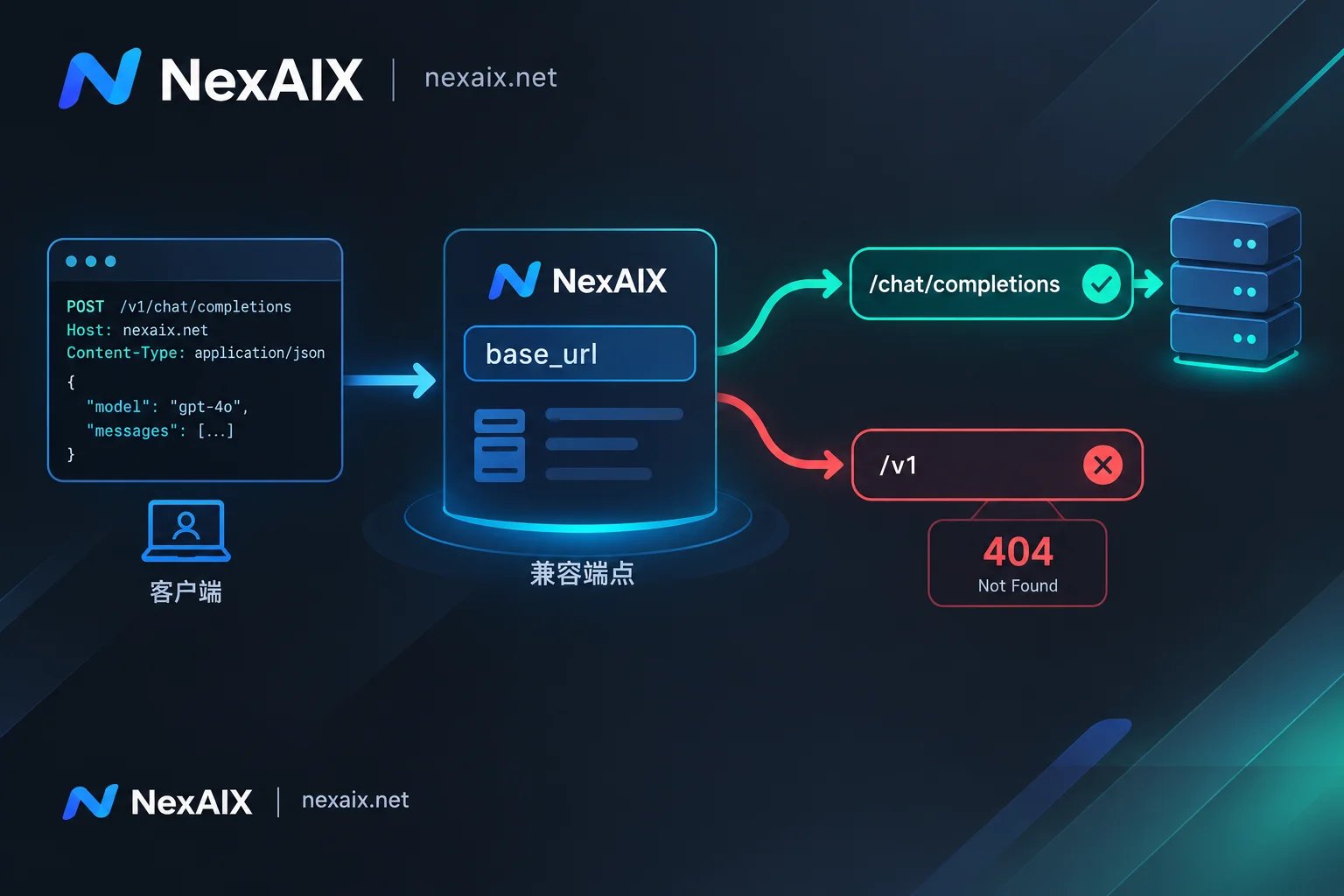
How to Use an OpenAI-Compatible API: Change One Line of base_url to Connect Your Existing App to a New Endpoint
An OpenAI-compatible API means the server implements the same REST paths per OpenAI's spec, so existing code rarely needs rewriting—just swap base_url and api_key. This guide covers Python, Node.js, raw HTTP, and LangChain configurations, explains whether base_url should include /v1, and walks through troubleshooting 404, 401, and streaming parsing errors, plus key production migration checks.