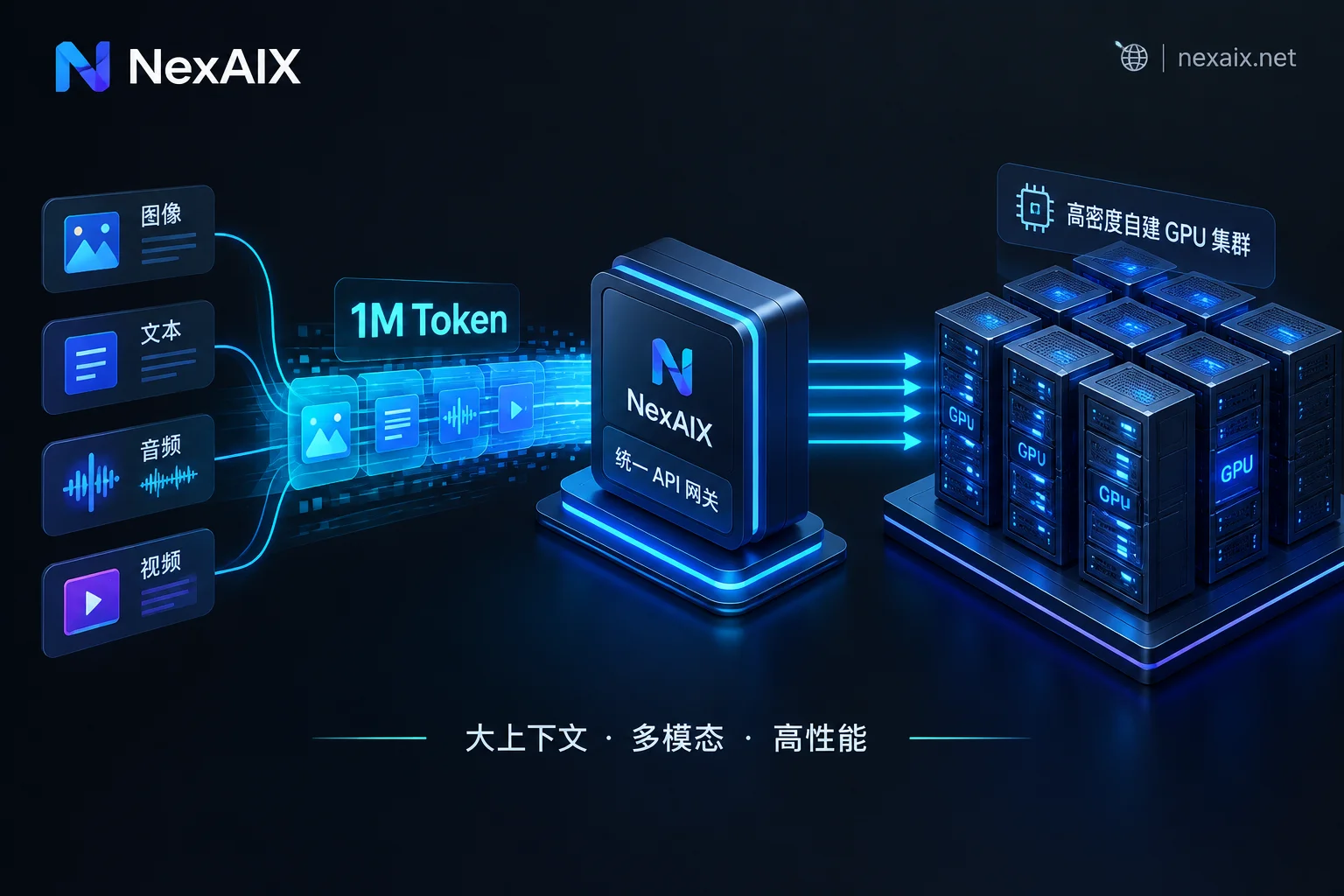
NexAIX-官方博客
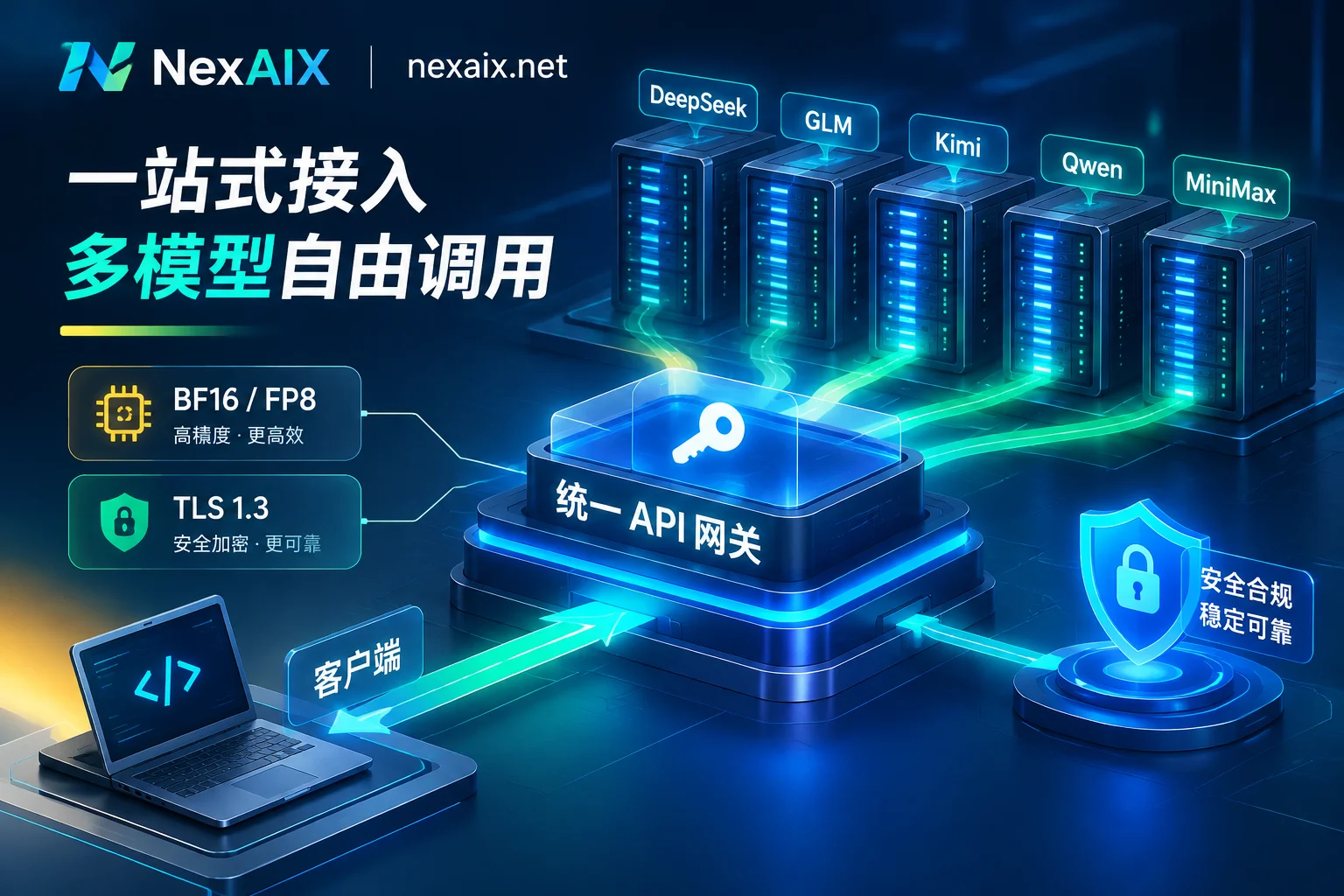
Guide to Unified Access and Production Architecture for Multiple Open-Source Large Model APIs: Say Goodbye to Multi-Platform Fragmentation and Self-Bu
As open-weight models like DeepSeek, GLM, Kimi, Qwen, and MiniMax become the mainstay of enterprise production and AI programming, R&D teams enjoy cost benefits but face engineering pain points such as high barriers to self-built GPU clusters, fragmented multi-vendor API protocols, and implicit downgrading by third-party relays. From a frontline architecture perspective, this article explains how to achieve unified access to multiple open-source and closed-source flagship models, transparent precision verification, and per-key billing isolation through proprietary compute clusters and a single OpenAI-compatible endpoint.
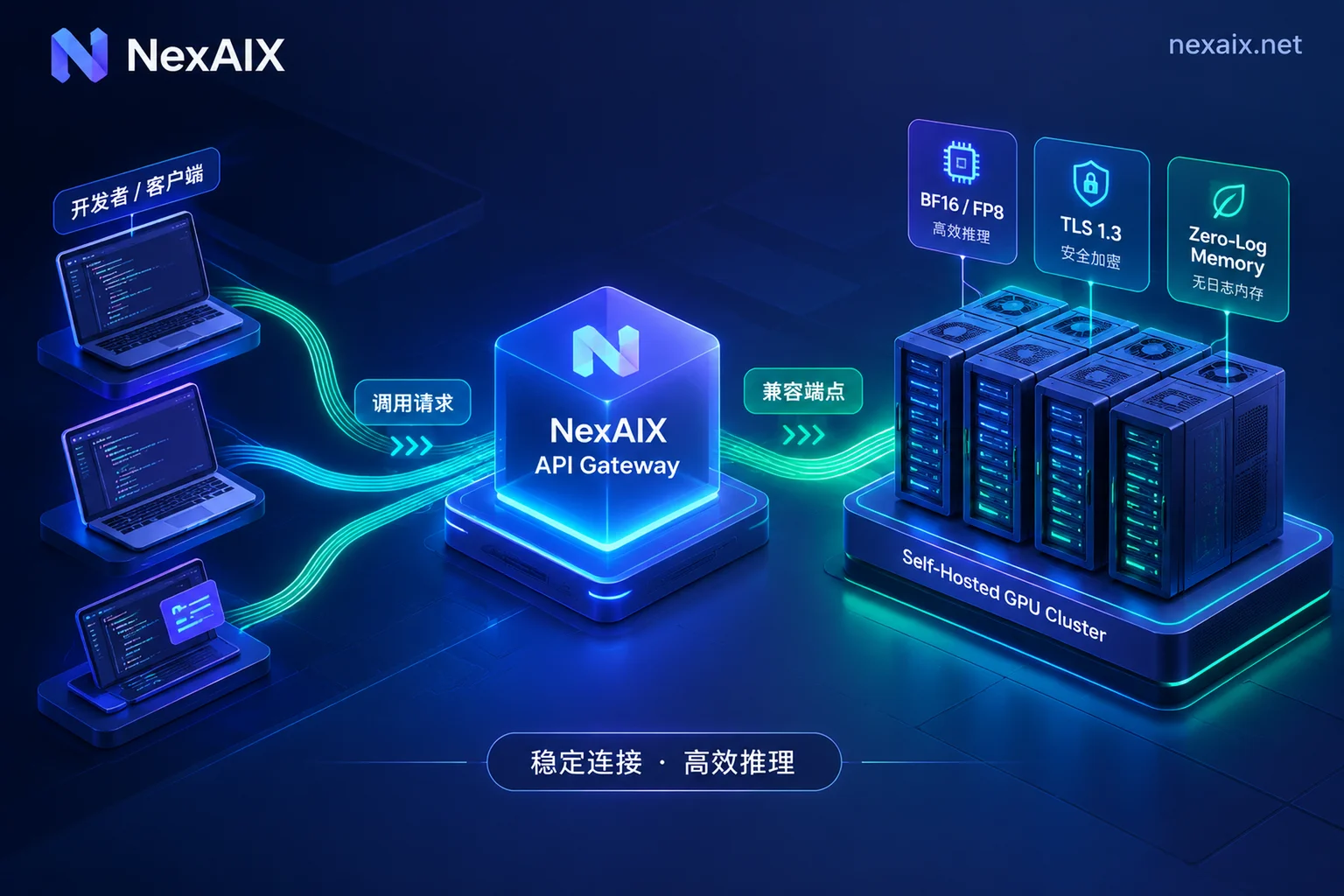
How to Choose an Open-Source LLM API: Pitfalls to Avoid from Self-Hosted Clusters to Low-Cost Resale and Production-Grade Hybrid Calls
As trillion-parameter open-weight MoE models catch up with frontier closed-source models in coding and agent scenarios, more teams are shifting daily traffic to open-source LLM APIs. This article breaks down the hidden barriers of self-hosted GPU inference, analyzes the risks of second-hand quota resale and hidden downgrades, and provides a production-grade selection checklist based on proprietary compute deployment, zero logging, and single-endpoint hybrid calls.