NexAIX-官方博客
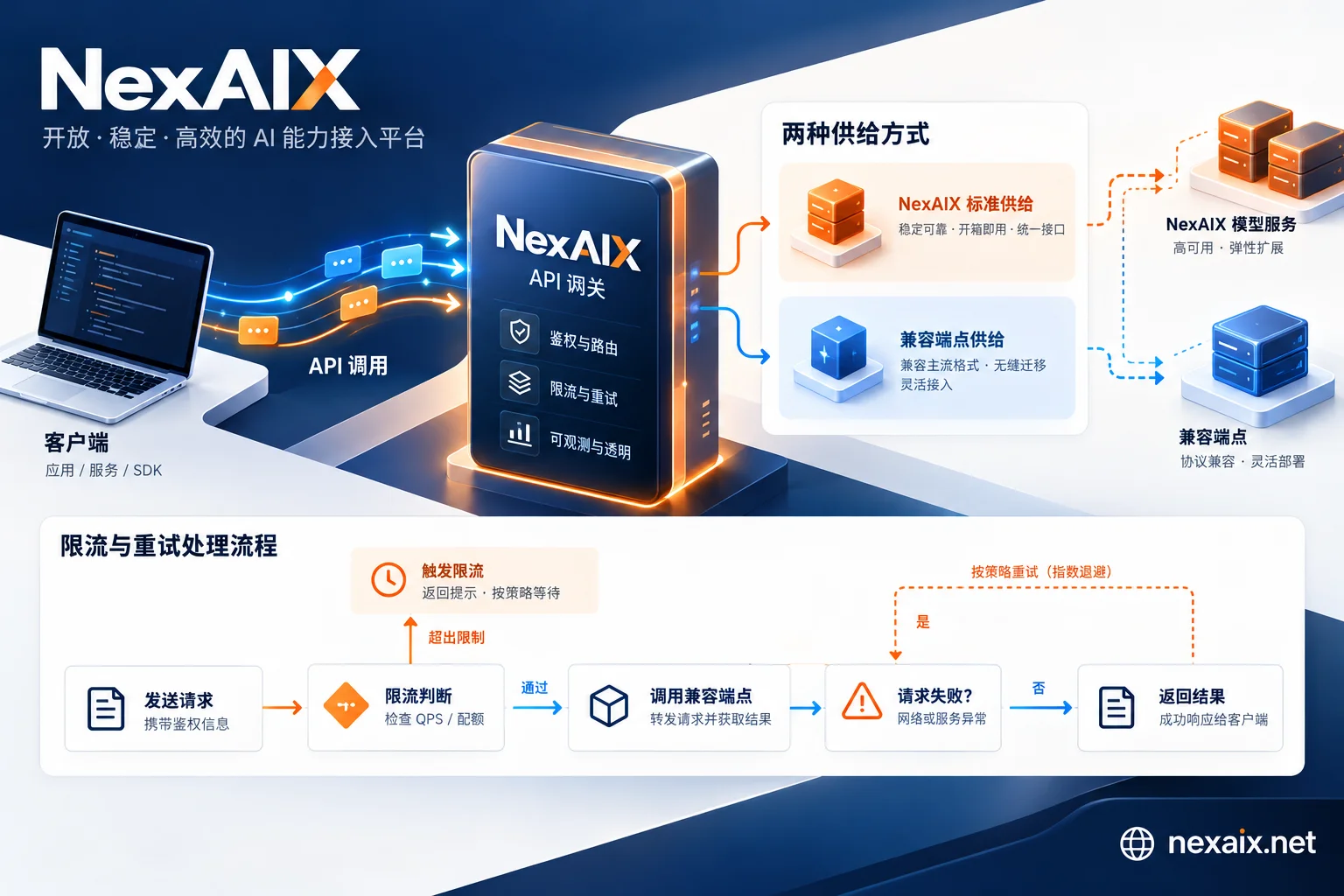
Enterprise AI API Chaos: How to Build Production-Grade LLM Infrastructure Through "Transparency" Governance
The AI API market's "deep waters" are churning with hidden currents. Faced with compliance pressure in production environments, model downgrade chaos, and unpredictable stability, how can enterprise developers establish a transparent, auditable standard for AI API calls? NexAIX provides an OpenAI-compatible unified access layer that returns to production fundamentals.
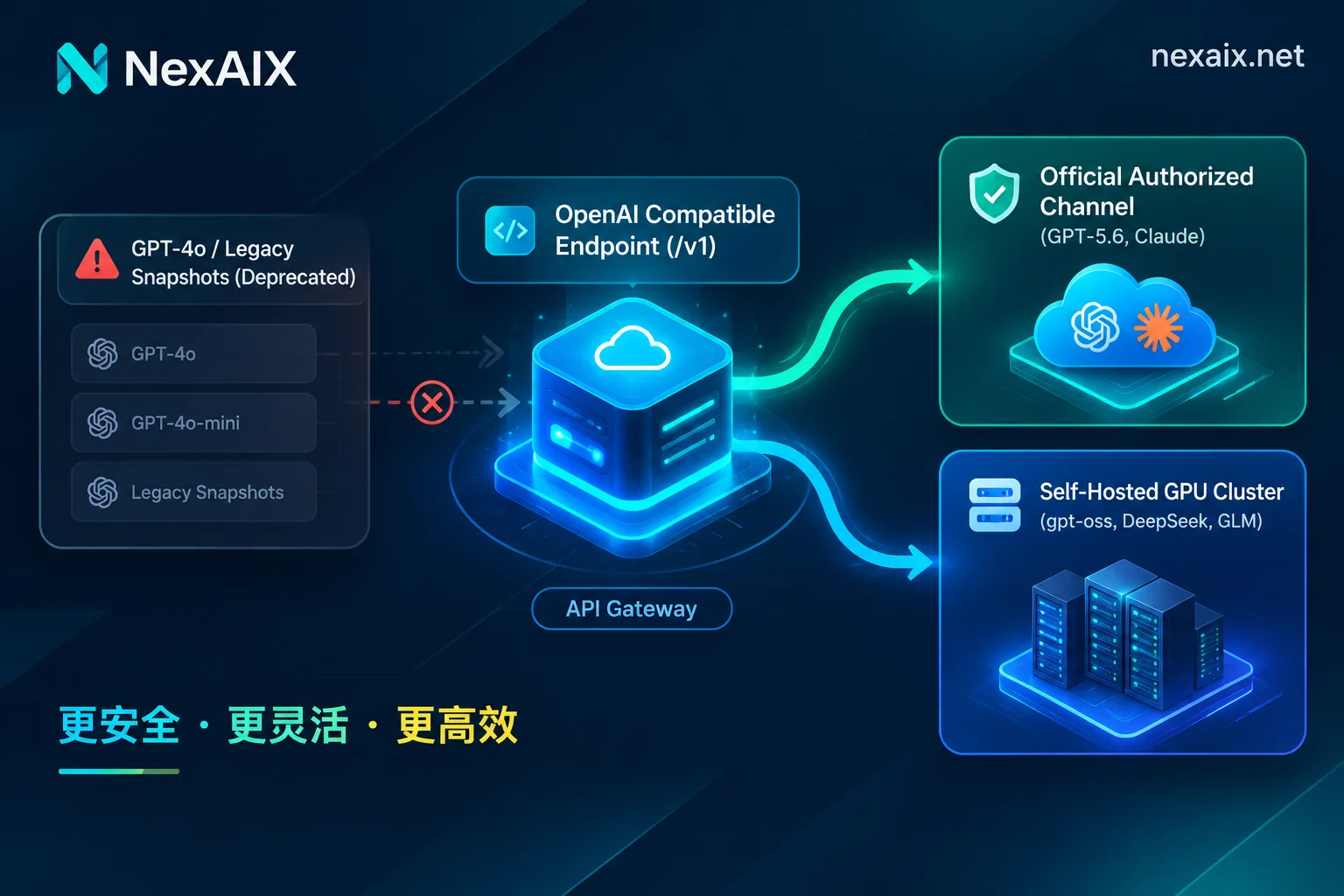
How to Handle the GPT API Model Sunset Wave: Migration from Legacy Versions, Compliance Pitfalls, and Hybrid Calling of GPT-5.6 and gpt-oss
Against the backdrop of OpenAI密集下线 GPT-4o, GPT-4.1, and early GPT-5 snapshots in the second half of 2026, this article outlines the core pain points of migrating GPT API in production environments, explains how to avoid the risks of account pool relay services, and describes how to smoothly switch to GPT-5.6 official authorized channels and gpt-oss self-hosted open-source models via NexAIX's unified OpenAI-compatible endpoint.
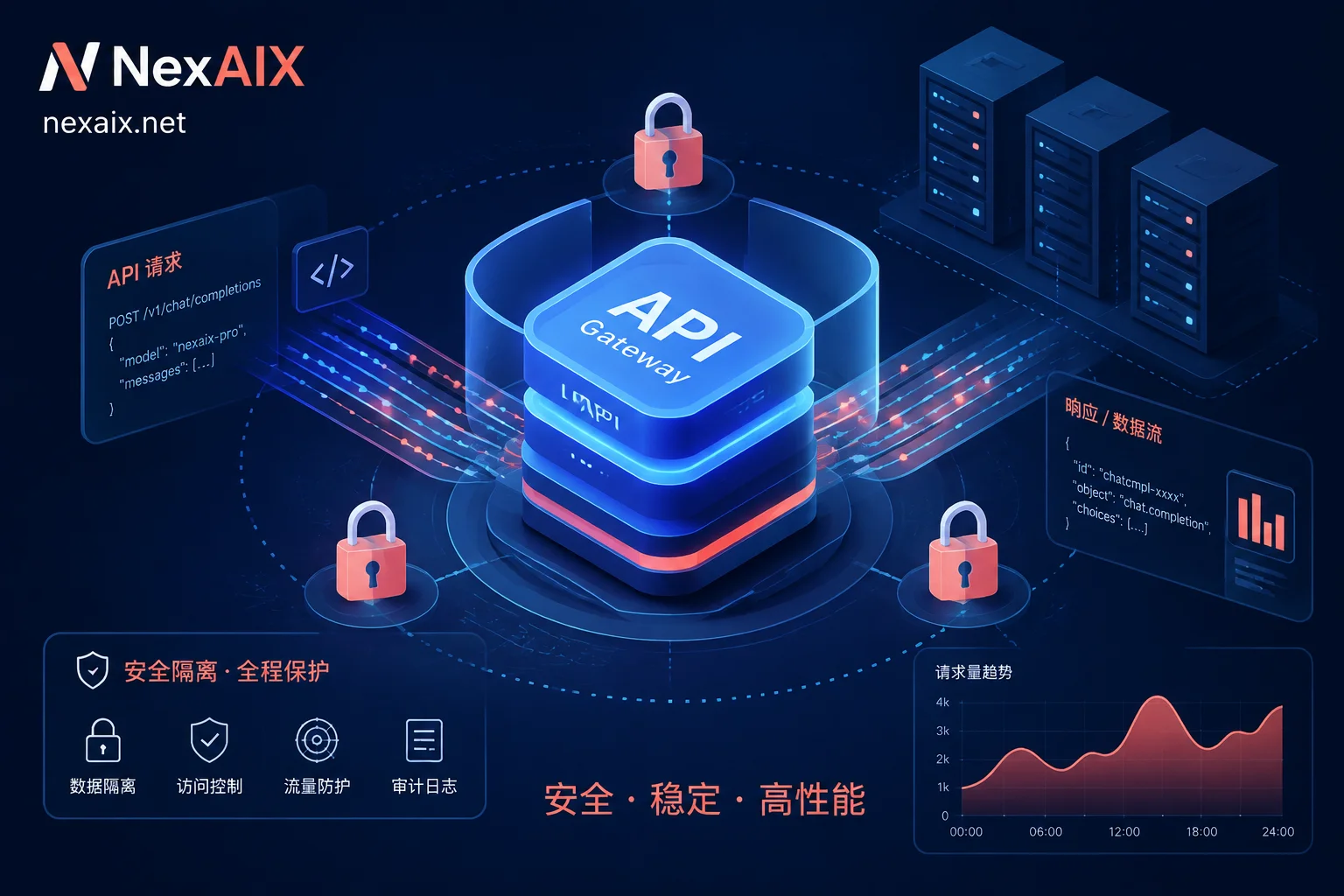
How to Verify a Zero-Log AI API? A Four-Category Data Retention Checklist
A practical guide to verifying zero-log AI APIs: four data categories with different verifiability, plus a pre-contract checklist for field-level written commitments.
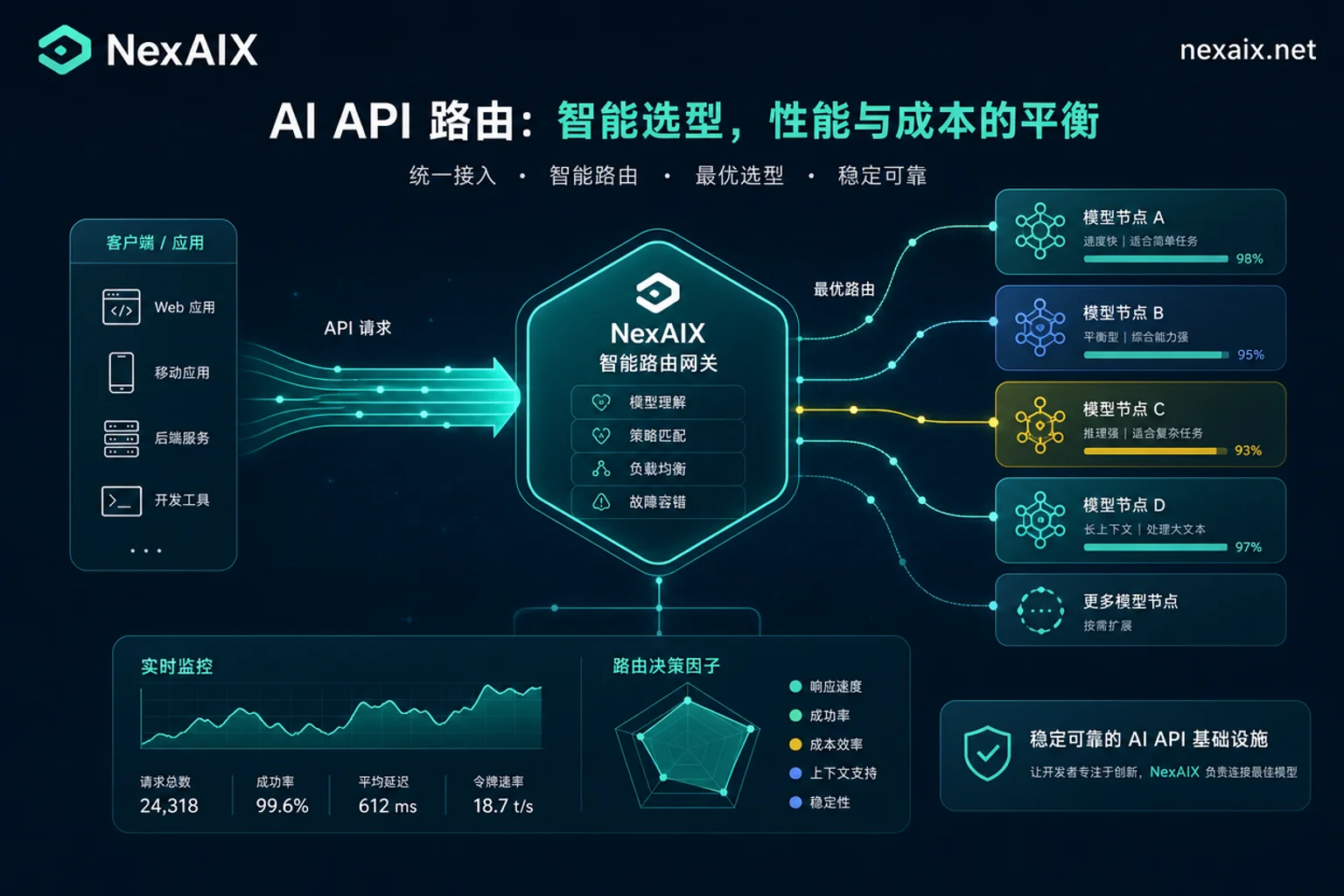
AI API Selection: Auto-Routing or Locked Models? 6 Criteria
This article draws a clear line between auto-routing and explicit model locking for AI API selection: weak-constraint free-text flows can allow auto-routing, while strong schema and multi-step tool-call flows must lock models, providing six executable criteria and a routing decision table.