NexAIX-官方博客
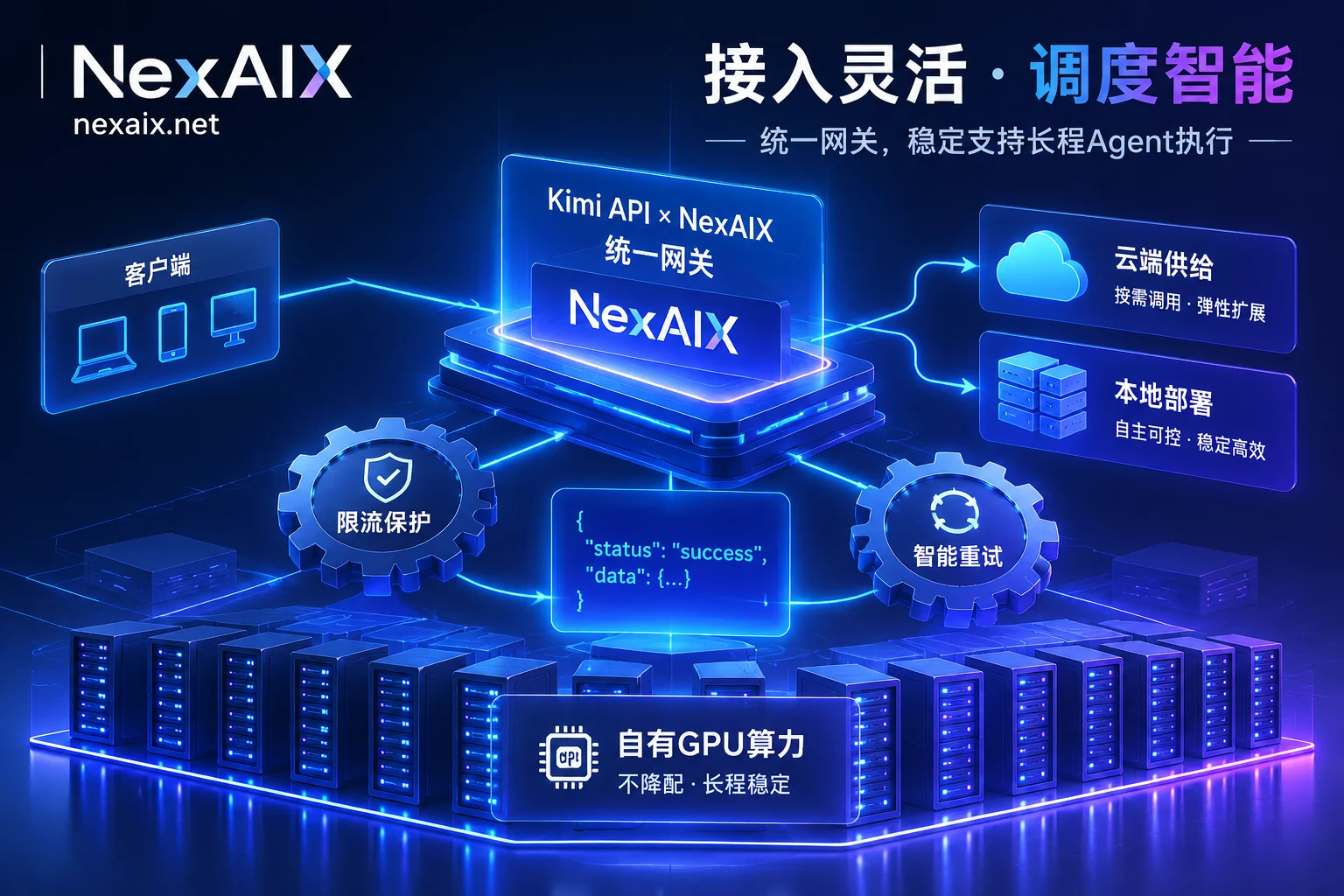
Kimi API Tool Calls and Long-Running Agent Production: Avoiding Quantization Degradation, Endpoint Fragmentation, and the 1.56TB Self-Hosting Burden
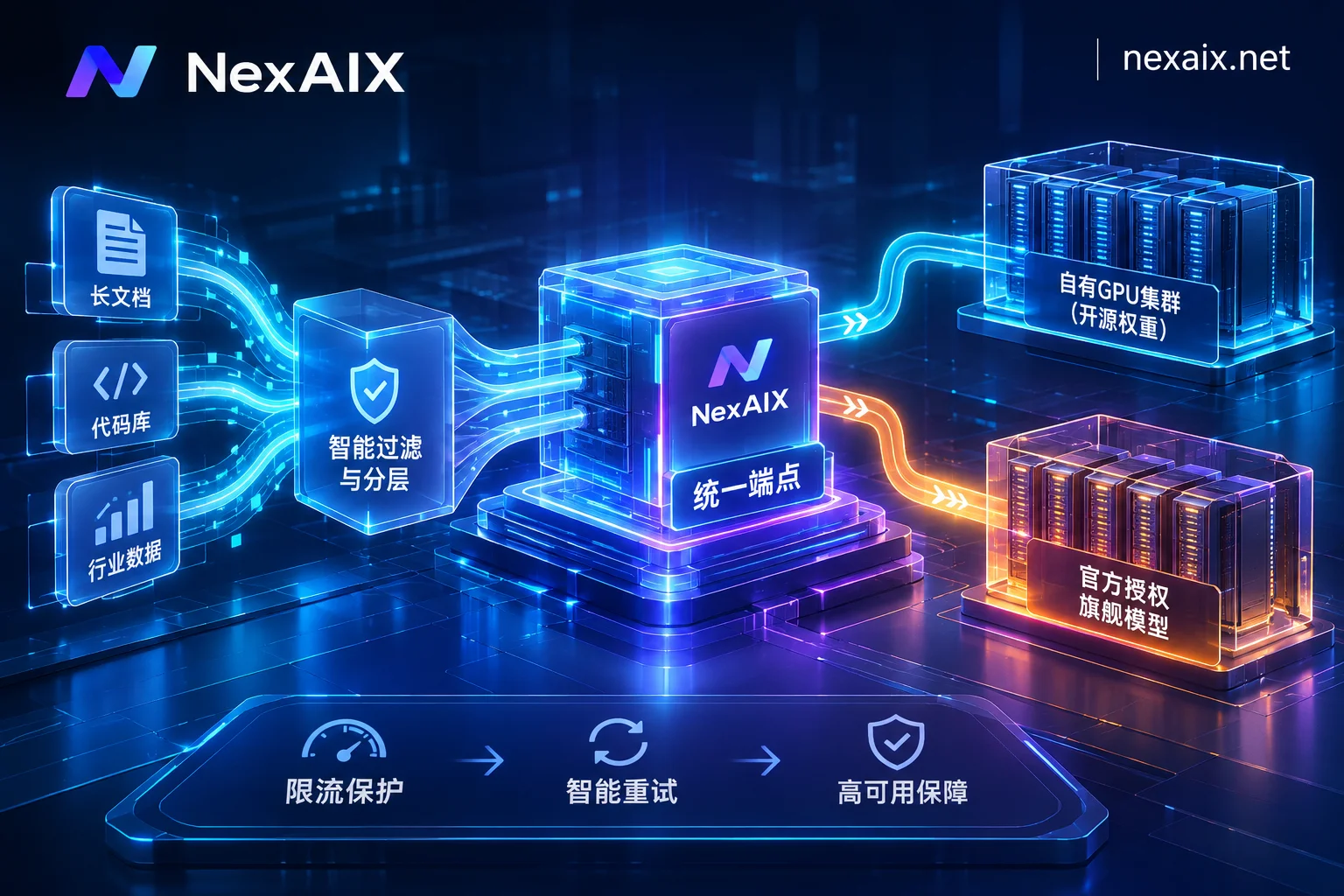
As Kimi K3.1 Pro opens 1.56TB weights and multi-agent collaboration gains traction, this article deeply analyzes four major pitfalls in deploying Kimi API for production-grade long-running agents: Tool Call crashes caused by third-party low-precision quantization, fragmentation of domestic and international endpoints and hidden default training clauses, high barriers to self-built compute, and runaway billing across call chains, and provides engineering solutions based on self-owned compute without downgrades, zero-log forwarding, and multi-model tiered scheduling.
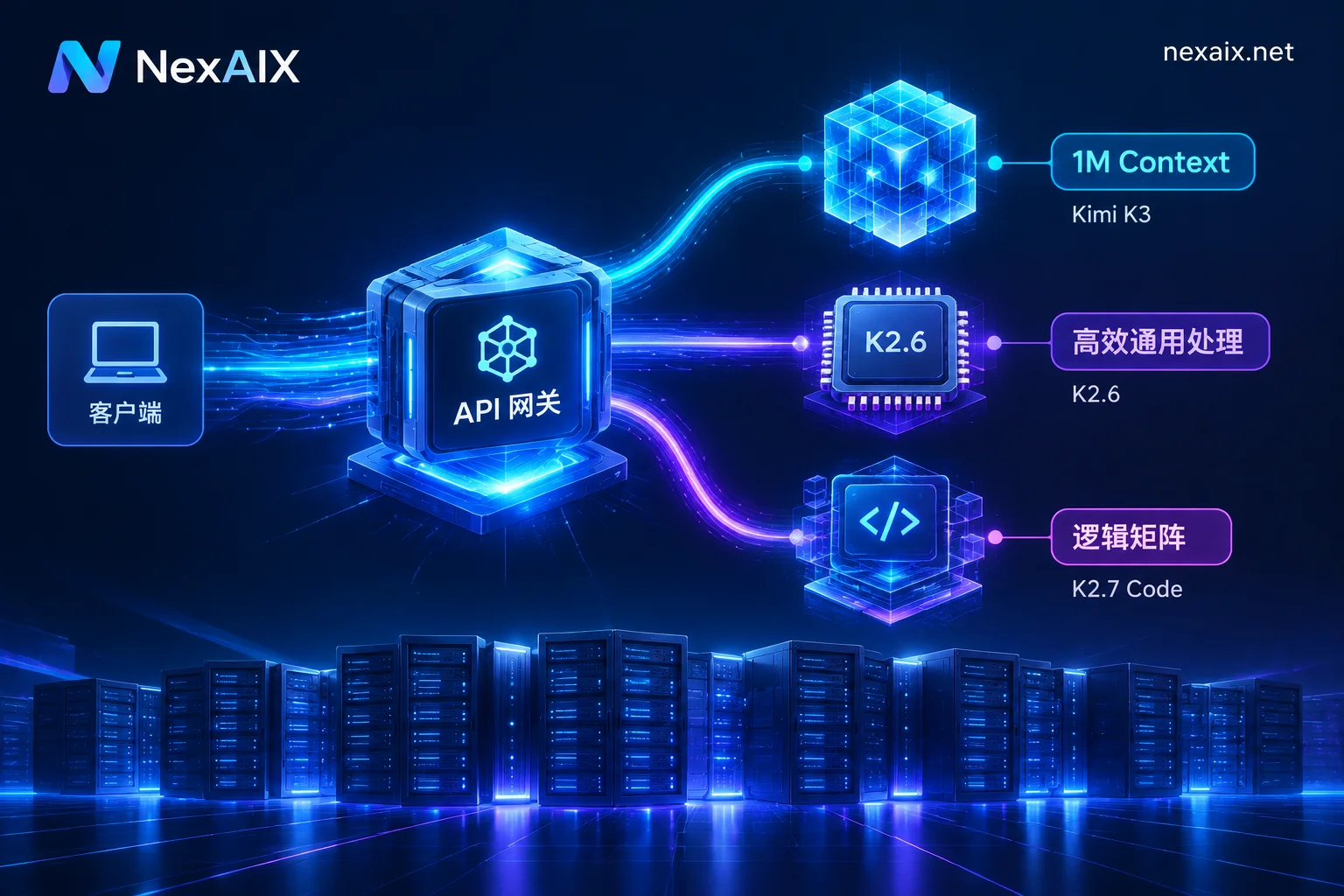
Kimi API Integration and Migration Guide: From moonshot-v1 Retirement and K3/K2.7 Selection to Self-Owned Compute
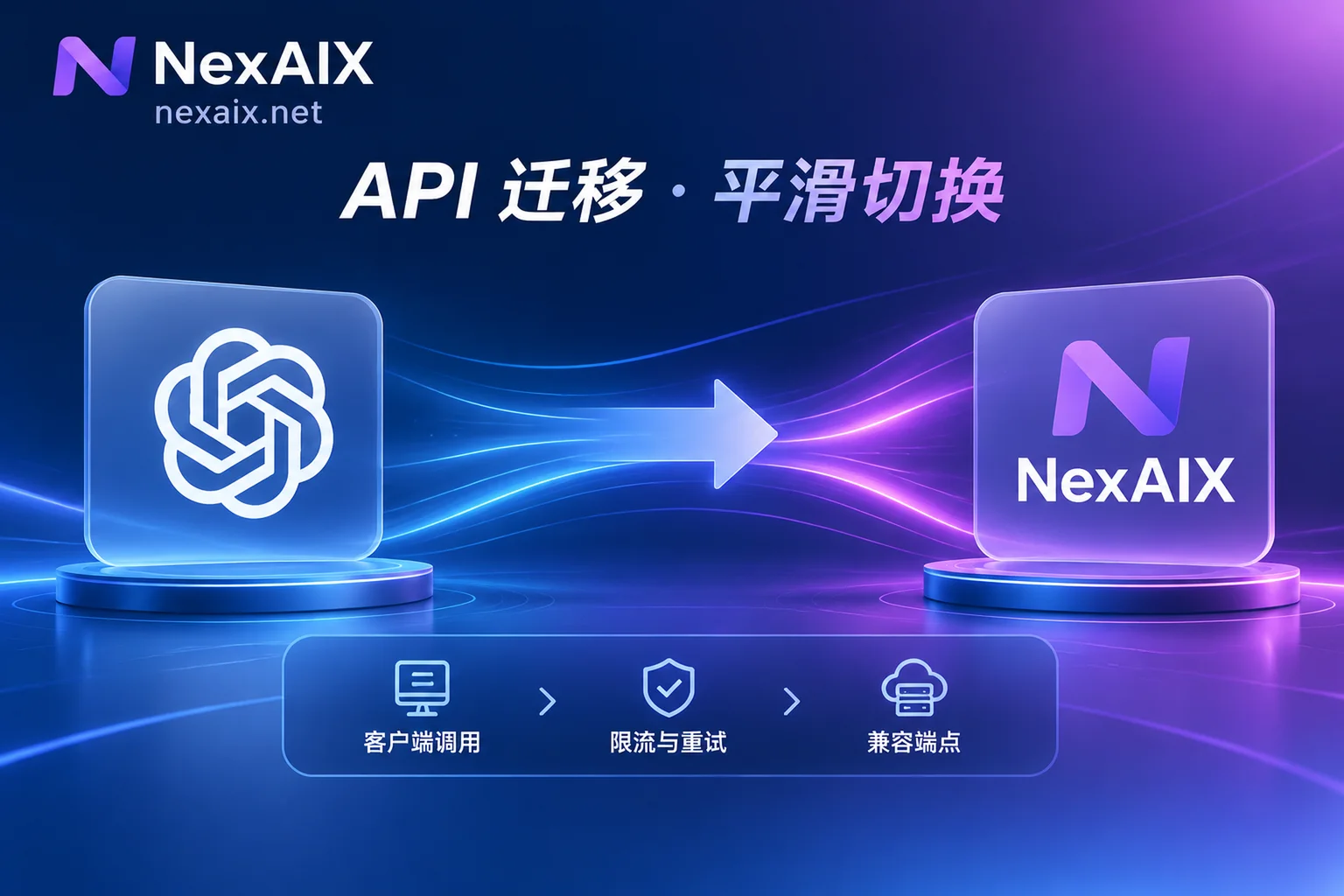
As moonshot-v1 and kimi-k2.5 officially return 404, the Kimi model family has fully evolved to the 2.8T-parameter Kimi K3 and the K2.6/K2.7 Code series. This article covers the current Kimi API selection matrix, smooth migration from legacy versions, engineering considerations for 1M long context and multimodal calls, and how to achieve full performance with zero log retention and unified cross-model access via NexAIX's self-owned compute cluster.